I was already paying extra for storage from Google, so I decided to spend a little more and see what Google Gemini can do. Well, the $10.00 extra dollars gave me more than twice the storage I had, limited Google Music, and a fairly good program for short videos.
The story of the Mummies of Guanajuato is one of history’s most bizarre intersections of public health policy, regional geology, and accidental preservation. Unlike the pharaohs of ancient Egypt, who were deliberately embalmed with oils, resins, and wrapped in linen for the afterlife, these people were ordinary 19th- and 20th-century citizens of a Mexican silver-mining town who were never meant to be preserved at all.
The Cholera Outbreak and Santa Paula Cemetery
In 1833, a severe cholera epidemic swept through the canyon city of Guanajuato. Thousands died, overwhelming local church graveyards. In response, the municipal government opened the Panteón Municipal de Santa Paula in 1861.
Because Guanajuato sits in a tight, mountainous ravine with very hard, rocky terrain, digging deep underground dirt graves was difficult and expensive. Instead, the cemetery was built with massive, whitewashed stone walls lined with rows of above-ground crypts (gavetas). The dead were placed inside these sealed, individual stone compartments and plastered shut.
The Grave Tax of 1865
By 1865, the cemetery was running out of space. The local government instituted a perpetual burial tax:
- Families had to pay a fee every five years (or purchase a perpetual plot outright) to keep their relatives interred.
- If a family could not pay—or if a family had died out, moved away, or forgotten—the law stated that after three years of non-payment, the remains would be exhumed to make room for paying customers.
In June 1865, gravediggers cracked open the sealed stone slab of crypt number 214, which belonged to a French physician named Dr. Remigio Leroy, who had died while living in Guanajuato.
The workers expected to shovel out bones and dust. Instead, when the heavy stone fell away, they found Dr. Leroy completely intact: his skin had hardened into leather, his hair remained, and his 19th-century suit, linen collar, and shoes were preserved almost exactly as they had been on the day he was buried.
Nature’s Accidental Recipe
The workers were stunned, but as more abandoned crypts were opened over the following decades, they found dozens more bodies in the exact same condition.
The secret was Guanajuato’s unique microclimate:
- High Altitude & Dry Air: Guanajuato sits over 6,500 feet (2,000 meters) above sea level in an arid mountain climate with very low humidity.
- Above-Ground Stone Crypts: Sealed off from insects, rain, and moisture, the above-ground crypts baked under the intense Mexican sun like low-temperature stone ovens.
- Rapid Desiccation: The heat and dry mountain winds drew all moisture out of the soft tissues before bacteria could multiply and cause decomposition. The bodies naturally mummified in their own clothes.
From the Secret Vault to Public Spectacle
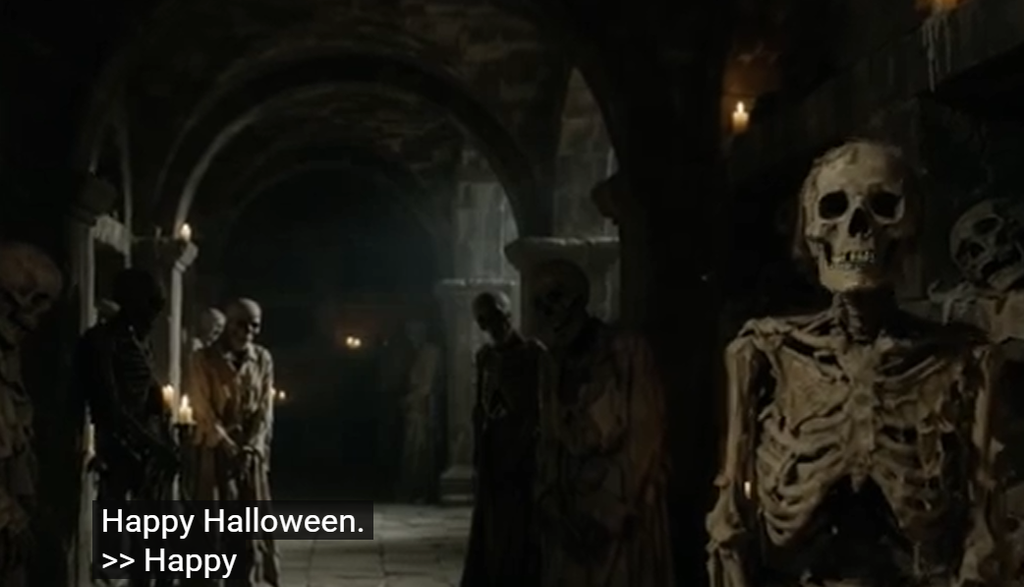
The cemetery workers did not know what to do with preserved bodies that had no living family to claim them. They carried them down into the dark, arched underground ossuary beneath the cemetery, propping them upright against the damp stone walls.
Word quickly leaked out. By the late 1800s and early 1900s, curious travelers and townspeople began bribing cemetery caretakers a few centavos to let them descend with lanterns into the underground vault. Visitors walked through rows of standing, desiccated corpses dressed in Victorian hats, frayed suits, and burial shrouds.
Eventually, the city recognized the massive draw and officially opened the collection as a municipal museum in 1970, placing the mummies behind protective glass cases.
The Haunting Folklore
Because natural dehydration causes facial muscles, ligaments, and tendons to contract and shrink, many of the mummies’ lips pulled back and their lower jaws dropped wide open.
This grotesque physical reaction gave birth to chilling urban legends that outgrew the historical truth:
- The Legend of the Living Burials: Townsfolk convinced themselves that the wide-open mouths were proof that cholera victims had been pronounced dead prematurely and buried alive, waking up in pitch-black stone tombs and screaming in terror until they suffocated. While forensic science confirms the open mouths are simply gravity and contracting post-mortem tissue, the legend gave the mummies their terrifying reputation.
- The “Witch” (La Bruja): One elderly woman, Carmen Peña, was rumored to have cast spells and practiced the dark arts. According to cemetery lore, when she was exhumed, workers bound her in heavy chains to ensure her spirit could never wander out of the vault.
- The “World’s Smallest Mummy”: The collection includes the preserved remains of a woman who died late in pregnancy alongside her fetus, a heartbreaking reminder of the fragility of medical care in the 19th century.
Today, more than 100 mummies remain in Guanajuato—a haunting, unintended snapshot of a bygone era that transformed ordinary townspeople into Mexico’s most enduring macabre legend.