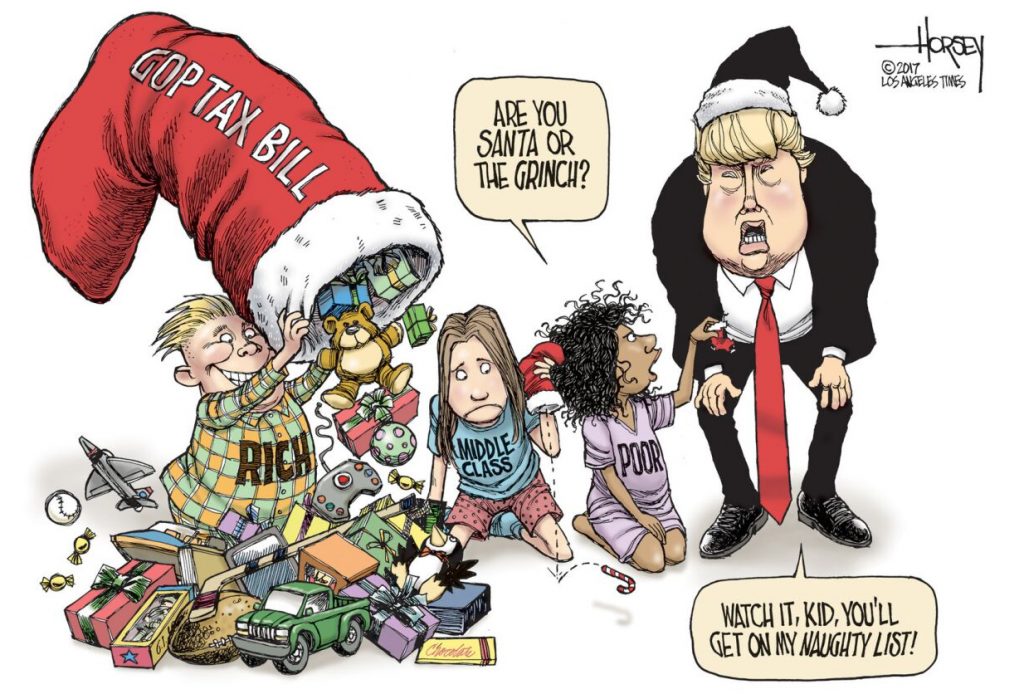
Trump Sees the Handwriting on the Wall, and so does Meme.
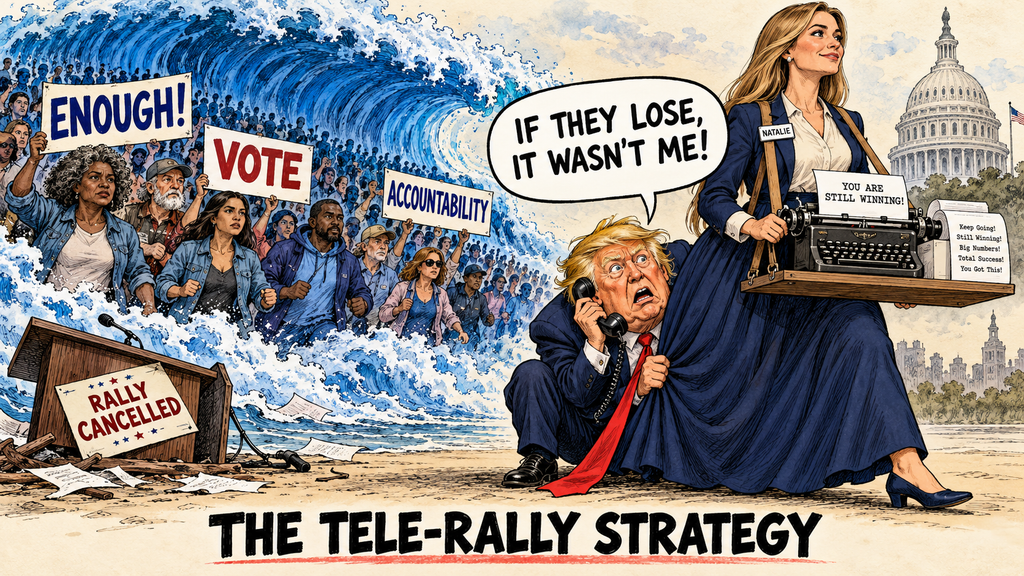
Donald Trump may have found a new use for the telephone: putting distance between himself and a Republican defeat. My suspicion is that he sees the handwriting on the wall. His rallies may be giving his opponents more reason to vote than they are giving his supporters, and tele-rallies offer a convenient way to remain involved while preparing to escape responsibility.
One of the things a political consultant is expected to do is give the client hope, even when the outlook offers very little. A struggling campaign needs another strategy, another explanation, another reason to believe the next move will work. Replacing rallies with telephone calls can be presented as a brilliant adjustment. It can also give a politician somewhere to hide when the adjustment fails.
The change itself is documented. Trump canceled his scheduled October 31 rally in Kansas and November 1 rally in Iowa, with telephone events planned across at least 19 states. The Republican explanation was that calls would reach more voters. He still had a Florida rally scheduled, so he was reducing particular appearances rather than abandoning personal campaigning altogether, according to Reuters.
Efficiency may be part of the explanation. After weeks of travel and lengthy speeches, fatigue could be part of it, too. But neither possibility removes the political usefulness of the change: Trump can keep claiming that he is helping while creating some distance from candidates who may lose.
Texas illustrates the limits of his rescue operation. Trump rallied with Ken Paxton in San Antonio on October 7. The Univision/YouGov survey conducted October 13–21 subsequently put James Talarico ahead, 50% to 45%. Those are interview dates after the rally, which is what matters when examining the sequence. A poll’s release date cannot tell us whether voters were surveyed before or after Trump appeared.
Kansas offers another warning. Trump appeared near Wichita on October 19. An earlier InsiderAdvantage survey had Roger Marshall ahead by one point; CNN’s October 20–26 survey put Democrat Adam Hamilton ahead by four. The polling record shows a less favorable result for Marshall after Trump’s appearance, although different pollsters make that an imperfect measure of change.
These polls cannot establish that Trump caused a decline. Ohio also complicates any claim that every rally hurts Republicans: The Well News found that the polling average moved slightly toward Jon Husted after Trump’s October 3 visit, narrowing Sherrod Brown’s lead from 3.4 to 2.5 points. The public evidence supports questioning Trump’s effectiveness; it does not support declaring a universal rally penalty.
My argument concerns what happens beyond the arena. A cheering crowd tells us that people who came to see Trump enjoyed seeing Trump. It tells us much less about everyone watching the clips afterward. Every insult and grievance can give another voter a reason to reject the Republican standing beside him. A rally can produce enthusiasm in the building and determination to vote against its speaker across the state.
There is plenty of potential fuel for that reaction. The same Univision survey found that 56% of Latino Texas voters thought immigration enforcement had gone too far, while 42% said their household finances were worse than a year earlier. Among Latino Trump voters expressing doubts or regret about their 2024 vote, support for Talarico was much higher than among those who remained satisfied with their choice. These findings describe vulnerabilities that another Trump appearance could aggravate.
That is the groundswell I suspect is building: people reaching their limit with the hate, the stupidity, the corruption, and the endless turmoil. Their reasons can differ while their response converges. Enough. If his supporters already intend to vote Republican, another performance may add little on that side while supplying fresh motivation to people determined to vote against his party.
Others are considering that possibility. The Daily Kos roundup quotes Phillips P. O’Brien suggesting that Trump’s rallies are motivating the opposition. Jonathan Martin offers a related interpretation: telephone appearances give Trump distance from candidates he expects to lose. The roundup also excerpts Politico reporting about vulnerable Republicans urgently seeking money. Those interpretations do not establish Trump’s private reasoning, but they fit the political situation he faces.
A telerally gives him flexibility when the counting begins. If a Republican wins, Trump can credit his endorsement and telephone appearance. If the candidate loses, he can point to the candidate’s campaign, spending decisions, or local circumstances. He can remain the indispensable winner in his own account without having to explain one more photograph of himself embracing someone the voters rejected.
I suspect Trump understands that a loud room cannot drown out what is happening outside it. He may still hope to save some Republican candidates. But the switch to telephone appearances looks to me like a man already preparing to save himself.