A poll tax.
Recently, Sharpstown had an election for officers; out of 6,800 households, only 57 people took the time to vote for the officers.
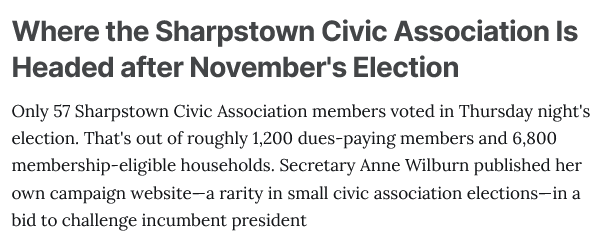
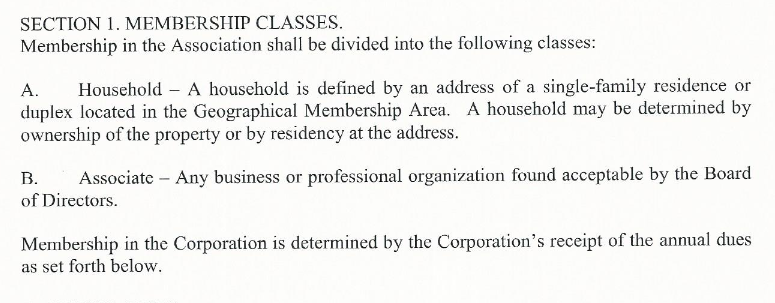
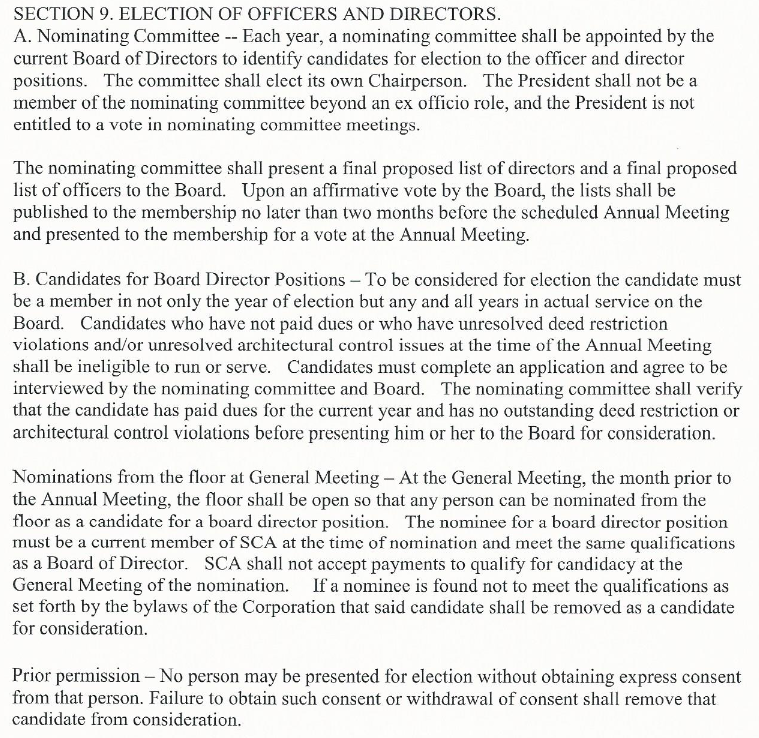
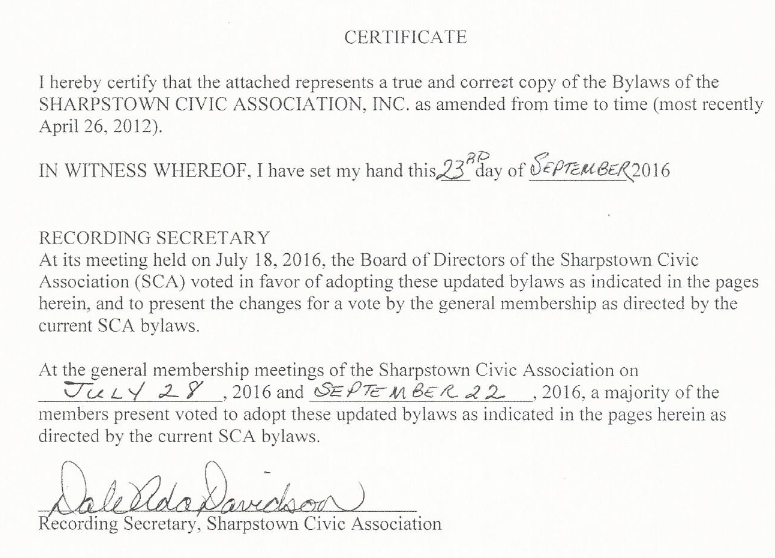
Fifty-seven (57)households voted for the officers, which is less than one percent of the Sharpstown homeowners. The by-laws were adopted in 2016 based on the documents posted on their website. Only people who have paid their dues can vote. Texas used to have a poll tax that was used so that certain people would not vote.
The poll tax, along with literacy tests and extra-legal intimidation, such as by the Ku Klux Klan, achieved the desired effect of disenfranchising African Americans. Generally, In the United States, the term “poll tax” is used to mean a tax that must be paid to vote, rather than a capitation tax simply.
Does Sharpstown have a “poll tax” to disenfranchise certain classes of people? I moved to this part of the city in the early 1970s, and it was primarily white-owned. The neighborhood I lived in was the same way; now, ownership is about eighty-five percent of people with Spanish surnames. Knowing the breakdown of paying and non-paying members by ethnicity or race would be interesting.
Sharpstown By-laws
From the Dallas Morning News
Tony Torres, who grew up in the 1950s, remembers seeing his parents scramble to gather money, simply to pay a poll tax to vote.
“My parents raised a family of eight, and it was not easy making a decision to pay the tax,” Torres said. “I would hear my parents discussing if they could afford to pay the poll tax vs. buying groceries.”
Walter Buenger, a Texas history professor at The University of Texas at Austin and chief historian at the Texas State Historical Association, said at the time, the term “poll tax” wasn’t directed at voting.
The Legislature amended the Constitution in 1902, subjecting anyone who wanted to vote to an annual poll tax of $1.50 to $1.75.
“The poll tax was high enough to discourage people from voting, particularly African-Americans, Tejanos and poor whites,” Buenger said. “Some evidence shows the poll tax was a reaction to the populist movement of the 1890s, which drew support of African-Americans.”
The rationale politicians used for implementing a poll tax was to regulate elections, prevent voter fraud and ensure a better class of voters, he said. Voters had to pay the tax before voting and bring the receipt to the ballots as proof.
When Congress passed the 24th Amendment in 1964 to prohibit poll taxes for federal elections, only Texas, Alabama, Arkansas, Mississippi and Virginia still had them.
The Texas Senate attempted to repeal the poll tax in 1949 and 1963 but failed both times. The state ended poll taxes for local and state elections with a 1966 resolution, but it didn’t formally approve the amendment until 2009, when Rep. Alma Allen, a black Democrat from Houston, sponsored a resolution to ratify it.
Though the era of paying to vote in Texas ended, Buenger said the tax has had a lasting effect on turnout. Nearly 80 percent of the total voting age population — mostly white men — voted in 1896, according to the Texas Almanac, compared to the 46 percent who voted in the 2016 presidential election.