
There were four of us who loved to go dancing: me, Gino, David, and Vincente. We went to the Carousel on Wednesday. On weekends, we mainly looked for dances (weddings or 15th birthdays) at the Galvan Ballroom or La Terraza, and on Mondays, we went to Domingo Pena at the Collisium. During those days, it was not usually safe to go outside one’s barrio, as many of the barrios had their gangs and they did not appreciate outsiders.
On March 22, 1961, a “rumble” of teenaged “gang members” broke out on the site of Laguna Park, which was once the site of the Laguna Acres pit, El tanque. One narrator, who lived across the street from the park, recalls that evening well. As a ninth grade student at the time, she remembers that rumors had been circulating at school that day about boys from a nearby barrio who were going to Laguna Park to start trouble. That evening, boys from the other barrio met up with the Molina group at the park. The narrator and her sister “were glued to the window,” watching the boys from Molina and from the other barrio arrive to the park in numerous cars. Violence ensued almost immediately. During the fight a neighbor called the police. They later arrived in a convoy of paddy wagons and arrested twenty-four boys. Police reports indicate that at least forty-eight other boys had evaded the police. Police confiscated a “pile of guns, tire tools, baseball bats, lengths of pipe, chains, and other lethal weapons dropped to the ground” when they arrived. According to the narrator, several of the boys evaded arrest by having climbed up trees and hidden until the police left the scene. The next day in school, very few boys attended class because many of them had been arrested. According to police, such a large outbreak of violence among barrios was both unprecedented and “the type of thing we have een dreading and trying to prevent for years.”38 The Molina Addition’s reputation as a dangerous place existed before the 1961 barrio rumble and continues to the present.39 Although local publications’ rhetoric and the racist opinions from the city’s Anglos were much to blame for the majority of Molina’s bad reputation,
When I lived in Molina, I was not into white people’s music. If you could not dance with a girl close to you, why dance?
Enough writing:
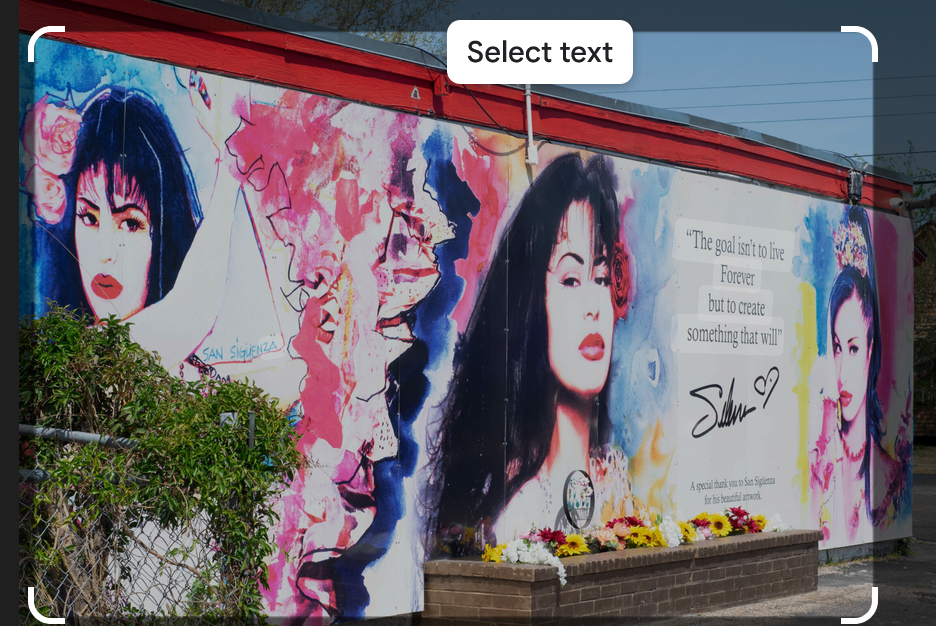
Selena lived in Molina, but she was much younger than me.


