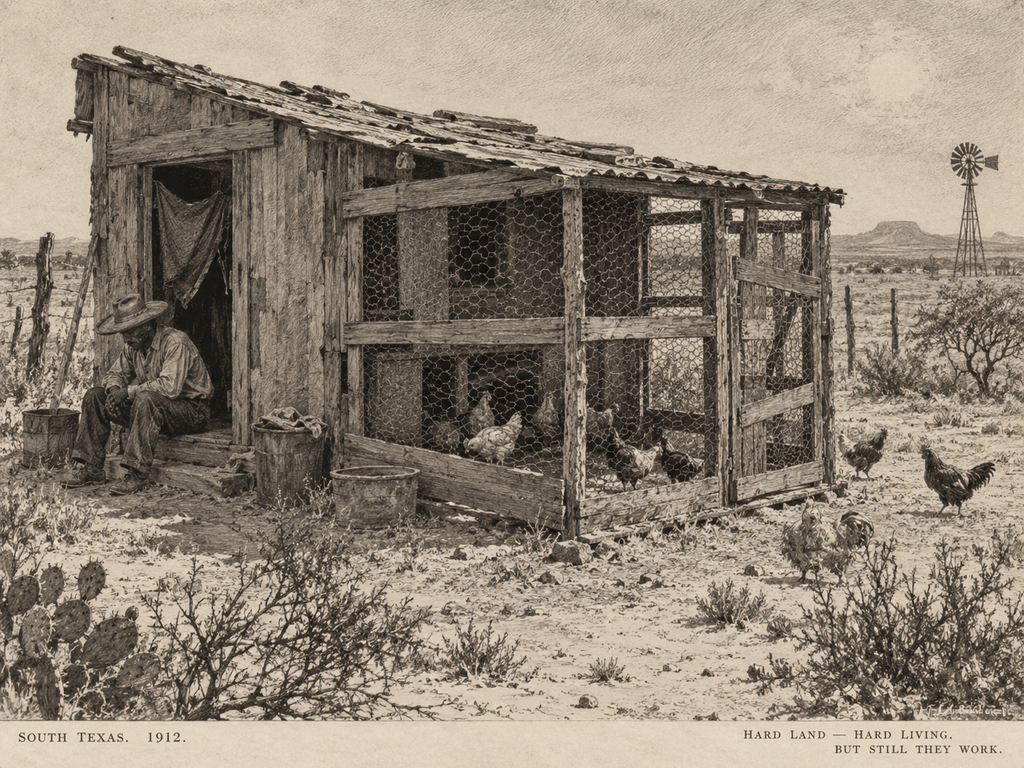
Many years have passed, but the migrant worker still finds himself at the mercy of the authorities. His story reminded me of what my mother told me: when they first moved to Corpus Christi, Texas, they lived in a converted chicken shack, and it was full of cockroaches. My father bought poison to kill the cockroaches; the chickens ate the cockroaches, and some of the chickens died. My parents were evicted from there.
Elias Garza’s life tells a larger story about Mexican migrant workers in the early twentieth century. A native of Cuernavaca, Morelos, Garza crossed into the United States at Laredo in 1912 with his Texas-born wife and their children. It was not his first trip north. Before that crossing, he had already worked on railroads in Kansas and taken whatever jobs he could find in California, including work in a stone quarry, a packing plant, and a railroad station.
His story reminds us that Mexican workers did not simply wander into the United States by accident. American employers wanted their labor. Railroads, farms, mines, packing plants, and other industries needed large numbers of workers willing to do hard and poorly paid jobs. Men like Garza became part of the labor force that helped build the economy of Texas and the American Southwest.
But being wanted for labor did not mean being treated with respect.
After violence and disorder connected to the Mexican Revolution pushed Garza back north again, he and his family joined other immigrants heading to pick cotton in the Rio Grande Valley. What awaited them was not opportunity, but humiliation. When they arrived, the planter pointed them toward a shack that had previously housed chickens. Garza objected and demanded something fit for his wife and children. The planter refused.
When Garza tried to leave, the local sheriff arrested him and his wife. The planter claimed Garza owed transportation costs from San Antonio. Garza later recalled that the farmer charged him more than the trip had actually cost, and the authorities sided with the planter. Faced with threats that his wife and small children would be put to work if he did not pay, Garza gave in.
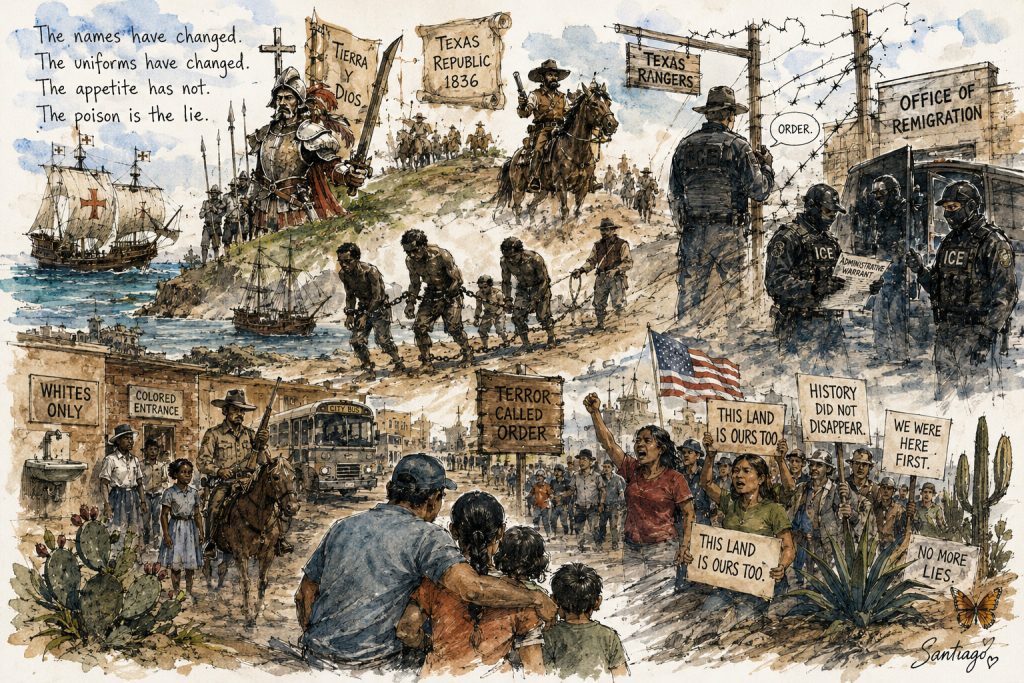
That episode says much about the world migrant workers entered. The exploitation did not stop at low wages, miserable housing, and exhausting labor. The law itself could become part of the system used against them. Employers, local officials, and growers often worked from the same assumption: Mexican laborers were there to be used, and if they protested, they could be intimidated or punished.
After that shakedown, Garza and his family moved on to Dallas, El Paso, Arizona, and eventually Los Angeles, following the path taken by countless other Mexican workers. They went wherever work could be found, carrying on their backs much of the labor that fed fields, maintained railroads, and kept industries running.
Elias Garza’s story is not important only because of the injustice he suffered. It matters because it reveals the contradiction at the center of the American labor system. Mexican workers were invited in when their labor was needed, underpaid while they worked, and often abused when they tried to insist on the most basic dignity. Men like Garza helped build the economy, even as that economy treated them as disposable.