During World War II, Texas farmers needed Mexican labor. Mexico had something Texas wanted badly enough to give Mexico leverage: workers.
In 1943, the Mexican government ordered its consuls in Texas not to send Mexican agricultural workers into the state because discrimination against Mexicans was so widespread. A U.S. State Department memorandum said Mexico had taken that position because of “the prevalence of discrimination” against Mexican residents in Texas. (Office of the Historian)
Mexico was not relying on rumor. Its consuls were collecting complaints, names, towns, businesses, and specific incidents. Luis L. Duplan, the Mexican consul in Austin, prepared a report on discrimination and sent it to George I. Sánchez at the University of Texas. The Mexican Embassy later used much of that material in its formal complaints to the United States government. (Office of the Historian)
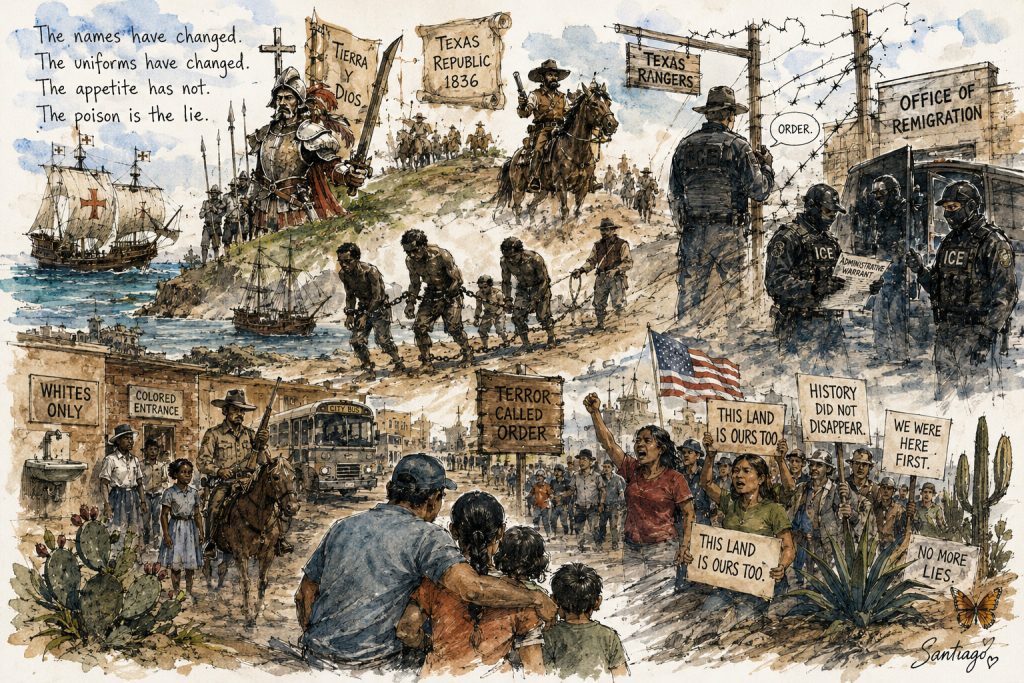
The reports read like a tour through Jim Crow Texas, except the targets were Mexicans and Mexican Americans.
In Post, only one of five Anglo restaurants reportedly served Mexicans. The other four displayed signs saying “No Mexicans Served” and “No Mexicans Wanted.” In Lockhart, Mexicans attending a Fourth of July celebration were told to leave because, according to the announcement, it was an American celebration “for white people only.” (Crónica Parlamentaria)
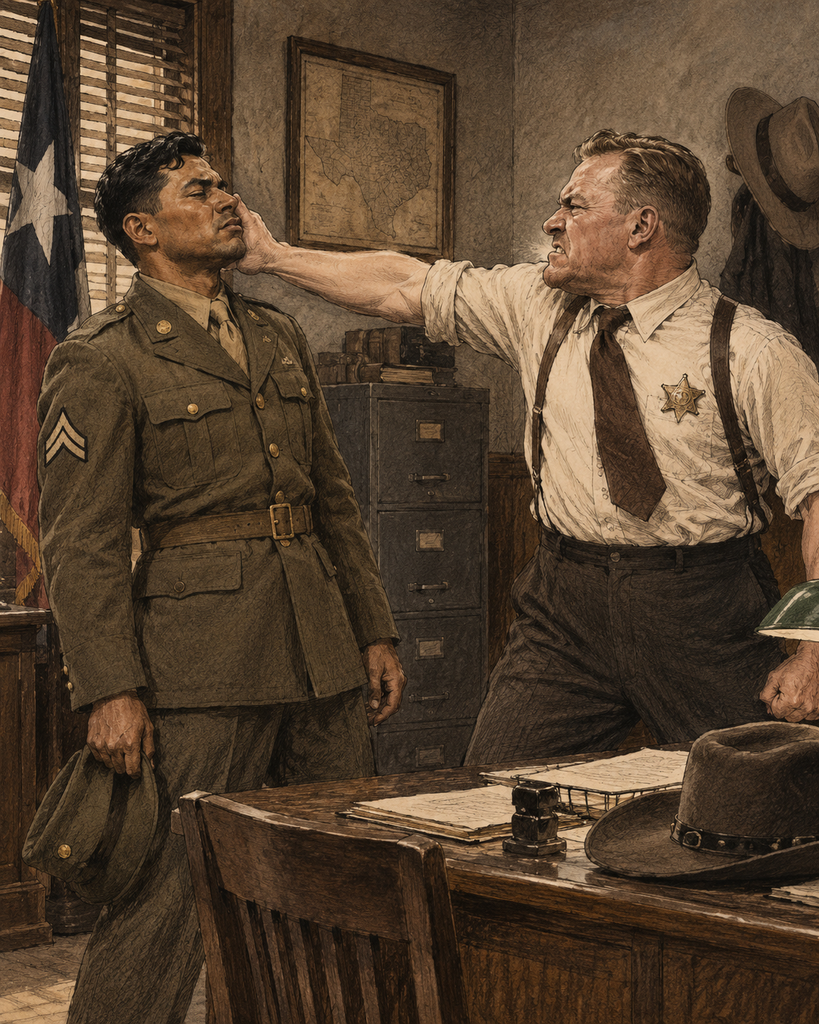
The Lockhart report gets worse. A Mexican American soldier entered an Anglo barbershop for a shoeshine and was refused service. He later went to a café and was refused there too. When he went to the sheriff’s office to complain, the report says the sheriff slapped him and ordered him out. (Crónica Parlamentaria)
In Alice, Mexican children were segregated from Anglo children through the seventh grade, and Mexican customers were refused service in Anglo barbershops. In Alpine, Mexican Americans, including servicemen, were segregated in theaters and barred from a billiard hall. In Marathon, a restaurant displayed a large “No Mexicans Allowed” sign. When Mexican residents protested, the owner reportedly took it down and replaced it with an even larger one. (Crónica Parlamentaria)
In Harlingen, Mexican-origin youths were denied access to a public swimming pool while another group that included youths of German and Japanese origin was allowed in. In Brady, a public park reportedly displayed a sign saying the park was for whites and that Blacks and Mexicans should stay out. In Rosebud, Mexicans entering the public hospital had to use a door marked for “Negroes and Mexicans.” (Crónica Parlamentaria)
The list kept going: San Angelo, Lubbock, Big Spring, Corpus Christi, Pecos, Fort Stockton, Sugar Land, Waco, Victoria, Edna, New Braunfels, Bastrop, Fort Worth, Goliad and scores of other places. Restaurants refused service. Barbers refused haircuts. Theaters segregated Mexicans. Swimming pools excluded them. Some hospitals placed Mexicans with Black patients. Some schools maintained separate Mexican classrooms. (Crónica Parlamentaria)
Mexico finally had a weapon against that discrimination that Texas could not easily ignore.
Labor.
Texas growers wanted Mexican workers badly enough that racial discrimination suddenly became an international diplomatic and economic problem. State Department records show Texas officials traveling, negotiating, and trying to convince Mexico that the state was doing something about discrimination so Mexican workers could again be recruited. One Nueces County judge told Washington officials that growers were even raising money to fight racial discrimination, if necessary in court, because discrimination had become an obstacle to obtaining Mexican labor. (Office of the Historian)
The Texas Legislature responded in May 1943 with what became known as the Caucasian Race Resolution, declaring that people of Mexican descent were entitled to equal treatment. Governor Coke Stevenson followed with a Good Neighbor proclamation, and Texas created the Good Neighbor Commission. The timing was hardly accidental: Mexico was refusing to provide the workers Texas agriculture needed. (Texas State Historical Association)
The State Department understood exactly what Mexico was doing. In July 1943, it described Mexico as using Texas’s request for agricultural workers as an opportunity for a “strong drive” to force action against racial discrimination in Texas. Mexico had received what the State Department called an alarming increase in reports involving discrimination in schools, theaters, swimming pools, and other public accommodations. (Office of the Historian)
Texas eventually regained access to Mexican contract labor, but the issue did not disappear. In fact, Mexico continued using labor as leverage for years. A 1953 document from the Mexican Consulate General listed Texas counties that were ineligible to contract Mexican agricultural workers. The surviving document is preserved today in the John J. Herrera papers at the Houston History Research Center. (The Portal to Texas History)
LULAC became involved too. In 1952, national president John J. Herrera wrote the Mexican consul general, asking for the complaints against Brazoria County, which Mexico had blacklisted. Herrera wanted the evidence so he could confront local officials and try to get the discrimination corrected. (The Portal to Texas History)
By 1959, the blacklist was still alive. The Texas Observer reported that Mexico had blacklisted about twenty Texas towns for discrimination against Mexican nationals or Mexican Americans. The list included Alpine, Edna, Gonzales, Lubbock, Marfa, Monahans, Pecos, Robstown, Seguin, Sonora, Victoria and Winters. (Texas Observer)
The process had teeth. A Mexican consul could require local law-enforcement officials to pledge that discriminatory acts would be investigated and corrected. If discrimination continued, the case could move upward through the Mexican government and the U.S. Department of Labor. Mexican workers were not supposed to be sent to employers located in blacklisted communities. (Texas Observer)
That is what makes this history so revealing.
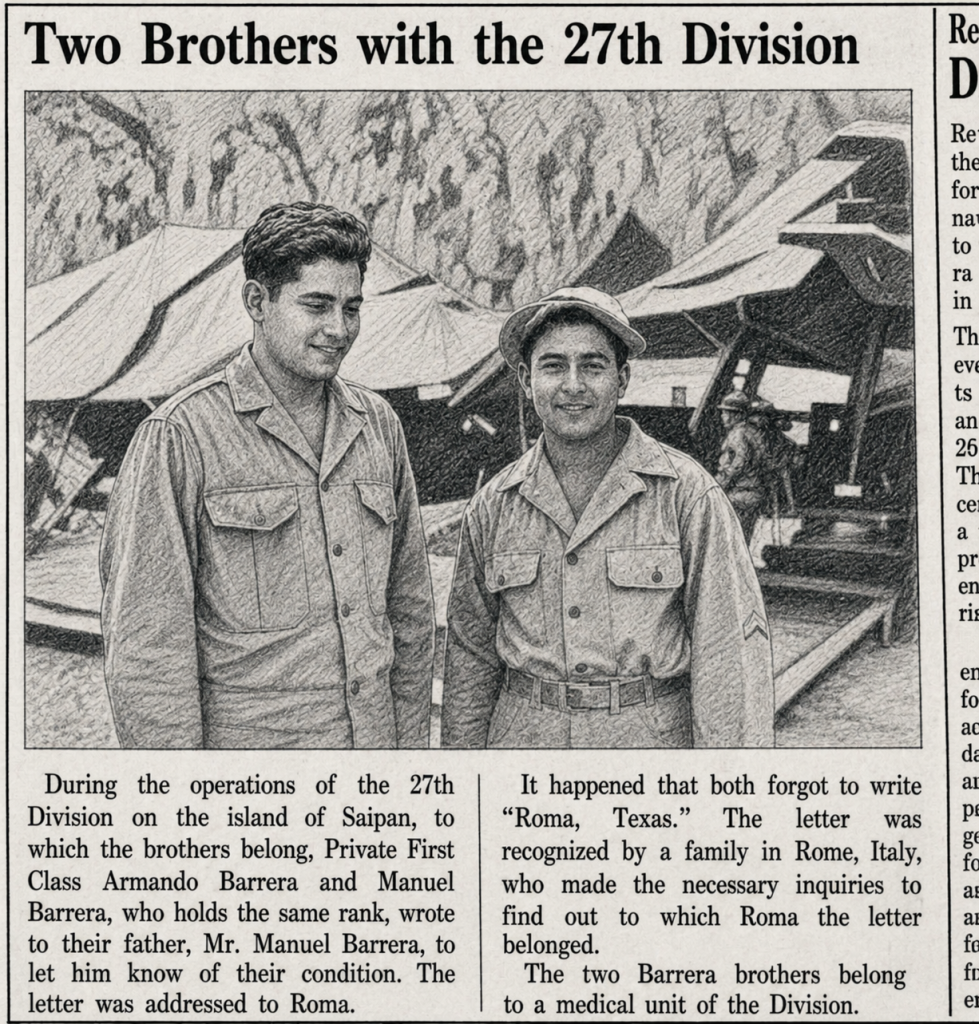
Texas had spent years allowing Mexicans and Mexican Americans to be humiliated in restaurants, theaters, barber shops, swimming pools, schools, and hospitals. Appeals to fairness did not always change much. Appeals to patriotism did not always change much. Mexican American soldiers could wear the uniform of the United States and still be told they were not white enough to sit at a lunch counter.
But when racism threatened the cotton crop, Texas suddenly became interested in the problem.
Mexico had discovered something that civil-rights organizations inside Texas often lacked: economic leverage. It could tell Texas growers, chambers of commerce, and politicians that if their communities wanted Mexican labor, those communities had better stop treating Mexicans like dirt.
For once, racism had a price.
And Texas had to pay attention.
List of black listed counties and cities by Mexico
Yes. We have two different kinds of lists, and they changed over time.
The 1953 Mexican Consulate General document is a two-page primary-source list of Texas counties deemed ineligible to contract Mexican agricultural workers. The Texas State Archives also preserves the underlying files under the title “Blacklisted Counties, by the Mexican Government, 1949–1953,” plus a separate file containing Mexico’s charges against counties on the blacklist as of October 1952. (The Portal to Texas History)
The archives’ discrimination files list many of the counties and towns involved. They include Bandera–Medina; Bee–Beeville; Bell–Temple/Rogers; Bexar–San Antonio; Caldwell–Lockhart; Cameron–Harlingen/San Benito/Brownsville; Cass–Linden; Cochran–Morton; Comal–New Braunfels; Coryell–Gatesville; Dallas–Dallas; Dawson–Lamesa; Deaf Smith–Hereford; El Paso–El Paso; Fayette–Flatonia; Fort Bend–Rosenberg; Freestone–Wortham; Frio–Dilley; Galveston–Friendswood; Gillespie–Fredericksburg; Gonzales–Waelder; Guadalupe–Seguin; Harris–Houston; Hays–San Marcos; Hockley–Levelland; Hidalgo–McAllen/Edinburg/Weslaco; Howard–Big Spring; Hudspeth–Dell City; Jones–Hamlin; Kendall–Boerne; Lamb–Littlefield; Live Oak; Lubbock–Lubbock/Slaton; McLennan–West/Waco; Martin–Stanton; Matagorda–Bay City; Medina–Devine; Midland–Midland; Mitchell–Colorado City; Navarro–Corsicana; Nolan–Sweetwater; Nueces–Robstown/Corpus Christi; Pecos; and Wharton. These are discrimination case files from 1950–58: (Texas Archives)
By 1959, Mexico had shifted from blacklisting whole counties to particular communities. The Texas Observer printed the then-current June 24 list of 20 towns:
- Alpine
- Edna
- Gonzales
- Haskell
- Imperial
- Lubbock
- Marfa
- Marshall
- Monahans
- Moulton
- Pecos
- Port Lavaca
- Robstown
- Seguin
- Sonora
- Stamford
- Sterling City
- Three Rivers
- Victoria
- Winters
The Observer noted that Pecos had just been removed, leaving 19. It also explained that after a 1954 agreement, Mexico stopped blacklisting entire counties and instead barred workers from employers whose mailing addresses were in an ineligible city or town. (Texas Observer)
And this was not symbolic. The 1952 U.S.–Mexico labor agreement explicitly said: “Employers who discriminate in employment against Mexican nationals shall be ineligible to contract for Mexican Workers.” (United Nations Treaty Collection)