Graciela Olivárez reached law school without a high school diploma or a college degree.
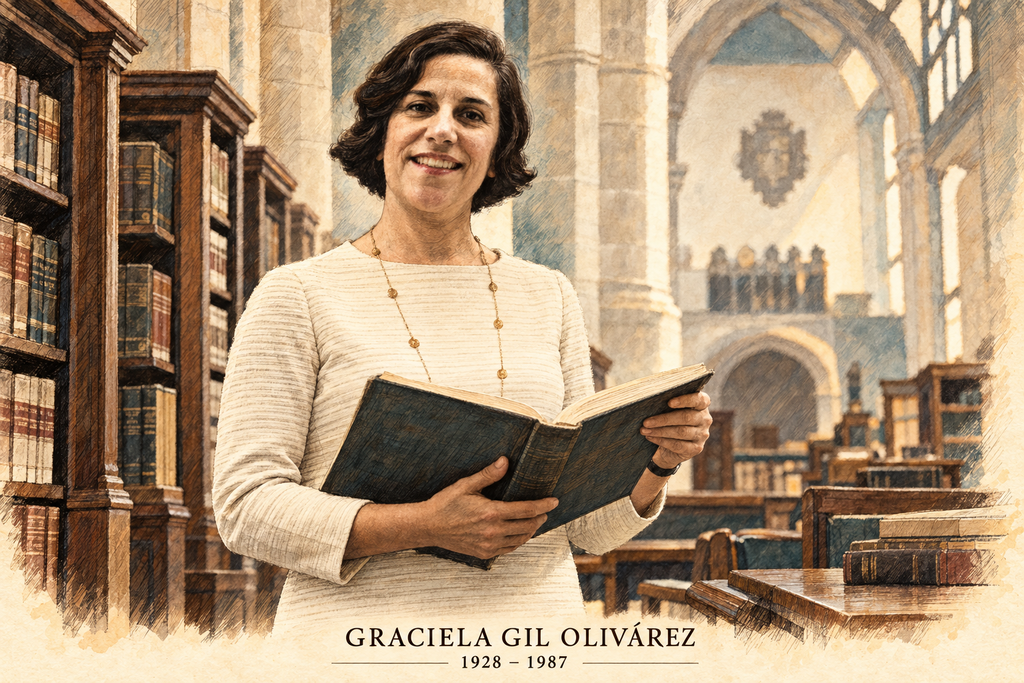
Before earning those credentials, she had already become an advocate for Mexican Americans and poor families. University of Notre Dame
Born in Phoenix in 1928, she grew up in Barcelona, Arizona, a mining community where company towns and schools were segregated. Her family struggled during the Depression. As a teenager, she left school to work and help support them. journals.law.harvard.edu
She eventually became a Spanish-language radio broadcaster in Phoenix. Listeners brought her problems involving discrimination, employment, and everyday survival, and she helped them find assistance. In 1962, she was invited to testify before the U.S. Civil Rights Commission. Her station manager threatened to fire her if her testimony caused trouble. She testified anyway. University of Notre Dame
That brought her into contact with Father Theodore Hesburgh, Notre Dame’s president. Years later, frustrated that officials dismissed her despite her experience, she spoke to him again. He told her she needed the professional credentials that opened doors—a “union card in a union card society.” Notre Dame offered to waive its admission requirements, while requiring her to meet the academic standards once admitted. University of Notre Dame
At 39, divorced and raising a son, she entered law school, taking her son and a nephew with her. She combined studying with cooking, childcare, and continued civil-rights work. In 1970, she became the first woman and first Latina to graduate from Notre Dame Law School. University of Notre Dame
She subsequently taught law at the University of New Mexico, directed its Institute for Social Research and Development, and headed New Mexico’s state planning office. In 1977, Carter selected her to run the Community Services Administration, putting her in charge of a federal agency dedicated to fighting poverty. The American Presidency Project
She supported women’s educational and employment rights and the Equal Rights Amendment, while strongly opposing abortion. Those convictions brought disagreements with other women’s-rights advocates. University of Notre Dame
She left Washington in 1980, returned to New Mexico, and established a Spanish-language television company. Even after developing cancer, she continued working and arranged for the business to survive her. She died in September 1987, at 59. journals.law.harvard.edu