Los Tequileros: The Men the Corrido Refused to Forget
Three men died in the South Texas brush, and a corrido kept their names alive. “Los Tequileros” remembers Leandro, Gerónimo and Silvano, liquor smugglers killed during Prohibition. Its verses carry a community’s judgment of the men who killed them—and ask listeners to consider whose lives deserve remembering.
Prohibition created a market that stretched well beyond the river. In his Handbook of Texas account, historian George T. Díaz describes Mexican suppliers, Tejano guides and intermediaries, and Anglo bootleggers distributing the liquor. Routes crossed Zapata, Starr and Jim Hogg counties toward San Diego, Texas. From there, automobiles carried liquor to cities including Corpus Christi, San Antonio, Dallas and Houston. The men moving bottles through the brush were one part of a much larger business.
The trade depended on patience and knowledge of the country. Bottles were cushioned with grass or hay to prevent breakage and quiet their clinking. Pack animals followed familiar trails, while smugglers sometimes spent days avoiding detection. Díaz’s account describes men who generally sought to evade officers rather than fight them. Their work was illegal, but the familiar picture of marauding border bandits conceals how this commerce actually operated.
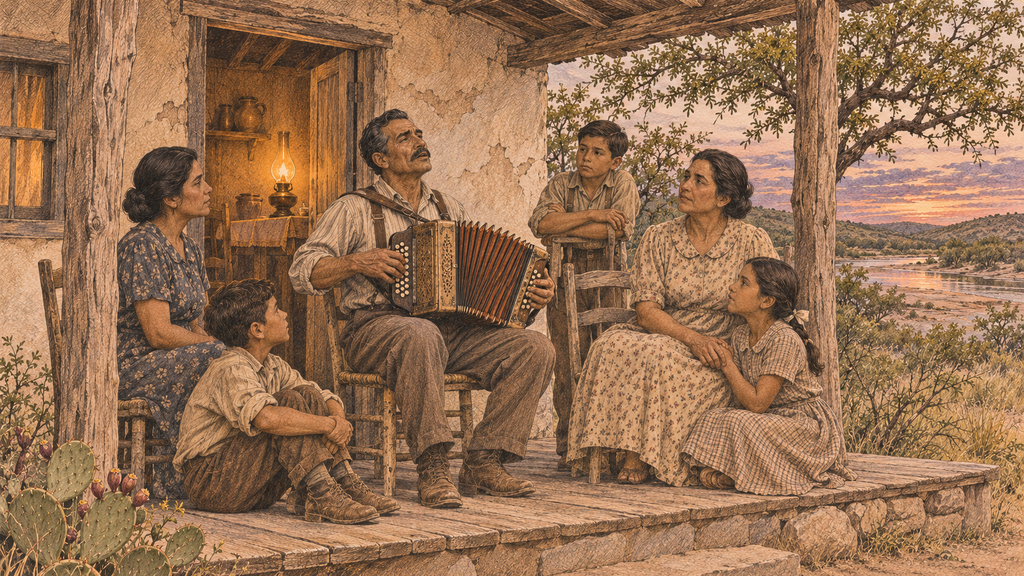
The corrido brings that history down to three men. In the Maya–Cantú version preserved by the University of Texas, the travelers leave Guerrero with liquor bound for San Diego. Leandro initially refuses their invitation because he is ill. They persist, he accompanies them, and he becomes the first to die. Those are the song’s scenes; its remembered conversations should be read as ballad narrative, rather than a verbatim record.
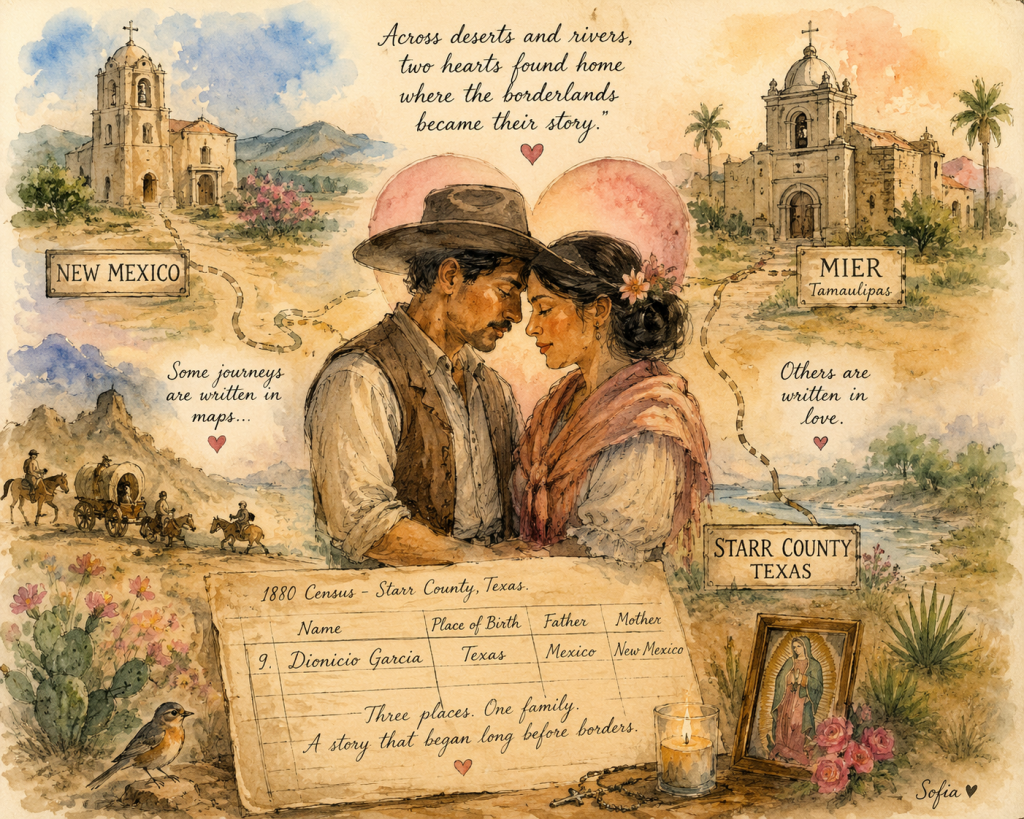
Leandro also left a history beyond the verses. In “Hunted Like Deer,” Díaz recounts local history identifying him as a widower with three children and a small billiard hall in Guerrero, Tamaulipas. He reportedly had never smuggled before. A baptismal record cited by Díaz places Leandro Villarreal’s birth on February 27, 1895, making him twenty-seven when he died.
The ambush was a planned operation. Díaz dates the killings to December 18, 1922, in Zapata County. Drawing on Walter Prescott Webb’s account of Captain William L. Wright’s explanation, he describes officers tracking the men and positioning themselves to block their retreat. Webb’s hunting language included the phrase “flush the game.” All three suspects died.
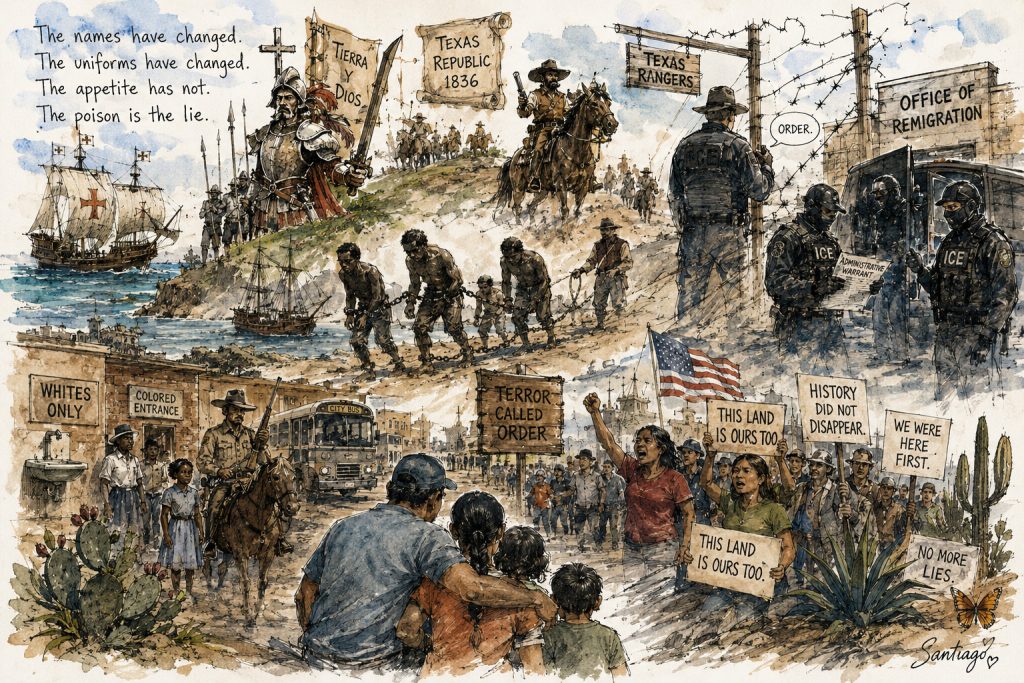
That language helps explain the anger in the song. Its comparison of the killings to hunting deer challenges the bravery claimed for the Rangers. The corrido also describes Silvano wounded and speaking before the captain approaches and he dies. That sequence belongs to the song’s account; the sources examined here do not independently establish every detail.
Even the date shows why a corrido needs to be read alongside other records. The Maya–Cantú recording begins with November 3. Reynosa chronicler Martín Salinas Rivera, in his discussion of the corrido’s variants, notes another version giving February 2. Neither matches the December date established in Díaz’s research. A song can preserve names, grief and an accusation while carrying an incorrect calendar.
The story traveled through records as well as memory. UCLA’s Strachwitz Frontera Collection preserves the Timoteo Cantú and Jesús Maya performance on Ideal 253. Its production notes document an order to process 3,000 copies on January 14, 1949. More than twenty-six years after the killings, the story was still being reproduced for listeners.
Leandro’s family eventually brought remembrance to his grave. Díaz records a memorial Mass in Zapata on November 10, 2000, after relatives recovered his remains. His gravestone incorporated the corrido, including its mistaken date. The song had helped carry his identity across generations. It remains an invitation to examine the violence behind the legend—and to remember the people who bore its cost.
Lyrics
Listen closely to this story of old. In the brush of Starr County, a truth is told. Of tequileros brave and rinches so bold.
Nineteen twenty-two was the year they say, At the vado of Carrizal, cold and gray. The tequileros loaded their mules for the night, With fine mescal hiding far from the light. They came from the river, through brush and through sand, To provide for their families in this border land. They knew of the danger that lay in the brush, And they moved through the canyons with an eerie hush.
Los rinches were waiting in Starr. An ambush that left a deep scar. They fired without any clear warning. The brush cried in grief for the mourning. But tequileros did not ever run. They stood and they fought by the gun.
The lead started flying and dust began to rise, A sudden dark flash right before their own eyes. The Rangers had planned this with merciless care, Leaving no chance for a fight that was fair. Men fell on both sides in that terrible place, With death written cold on each warrior’s face. Yet even outnumbered they held to their pride, Defending the contraband loaded beside.
Los rinches were waiting in Starr. An ambush that left a deep scar. They fired without any clear warning. The brush cried in grief for the mourning. But tequileros did not ever run. They stood and they fought by the gun.
When the smoke finally cleared at the Carrizal site, The stars were the only ones watching that night. The Rangers had won but they paid a high cost, And they counted the men that they bitterly lost. For the bold tequileros who fell in the mud, Their legend was written in their own warm blood. They’re gone but remembered in song and in lore, By the river that flows to the sea evermore.
Los rinches were waiting in Starr. An ambush that left a deep scar. They fired without any clear warning. The brush cried in grief for the mourning. But tequileros did not ever run. They stood and they fought by the gun.
So ends this corrido of true Starr County brave. Of brave tequileros and those that they gave. They live in our memory and beyond the deep grave.