You can leave people out of the movie. You cannot erase the fact that they were there.
I grew up watching cowboy movies.
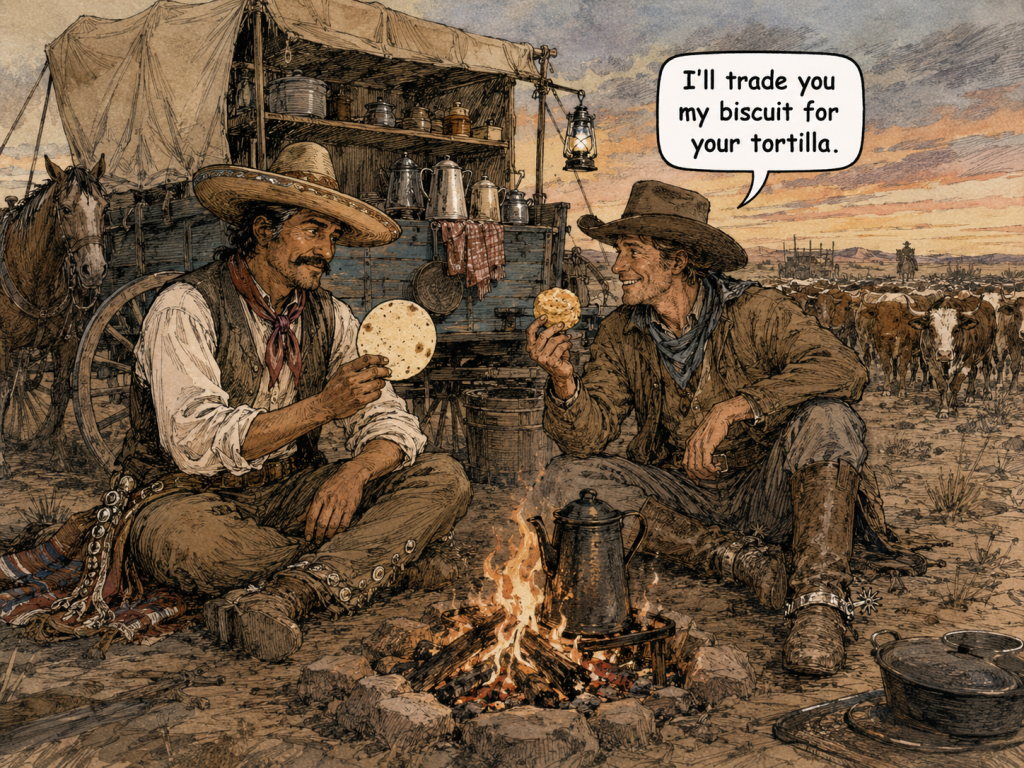
After a long day on the trail, the cowboys would gather around the campfire. Somebody poured coffee. Somebody opened the beans. There might be biscuits or cornbread.
I don’t remember John Wayne reaching for a flour tortilla.
That got me wondering.
My mother made flour tortillas. Her mother made flour tortillas. Her grandmother Virginia, born in the 1870s, made flour tortillas.
And the connection in my family goes beyond the kitchen.
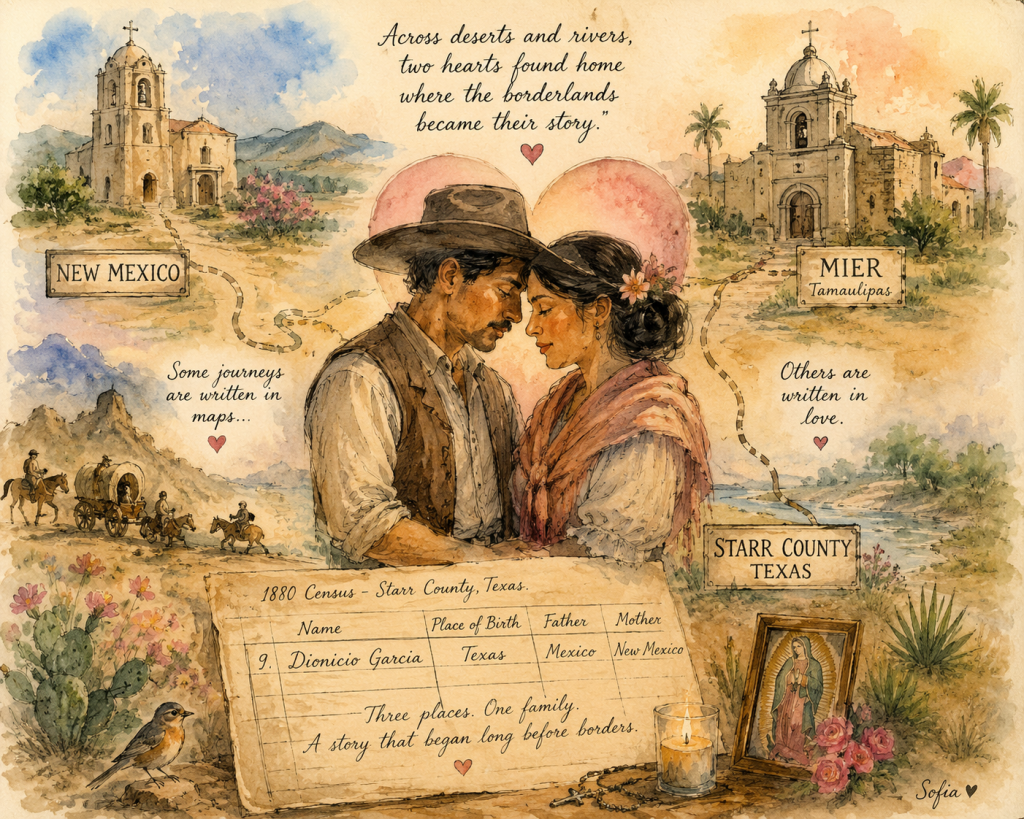
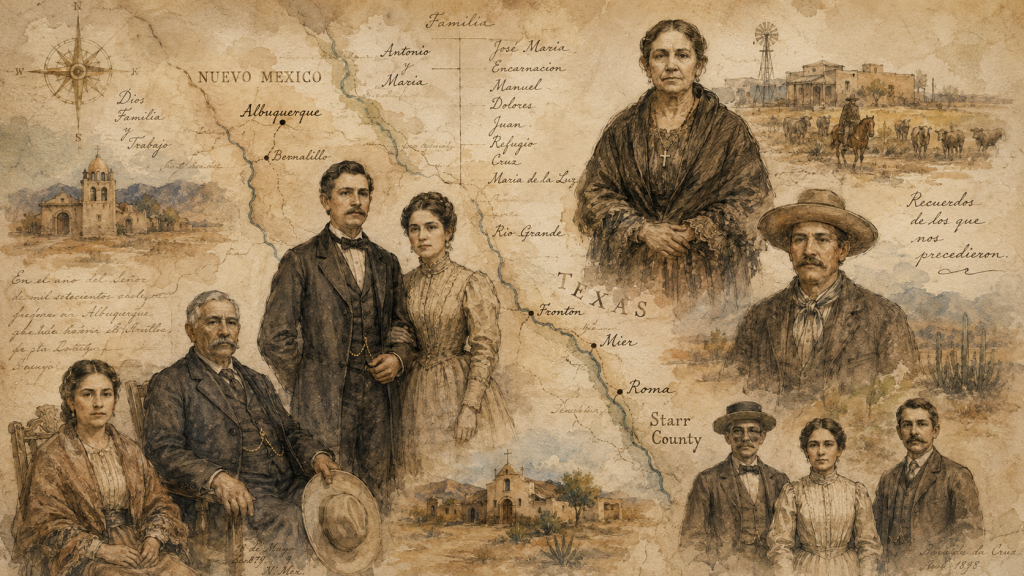
My great-grandfather Dionicio was a vaquero. His father, Eduardo, was a vaquero.
These were not people standing somewhere outside cowboy history looking in.
They were part of the cattle culture of the South Texas–northern Mexico borderlands.
So where were they when America told the story of the cowboy?
And where were their tortillas?
I went looking.
I cannot honestly tell you that every chuck wagon rolling up the Chisholm Trail carried flour tortillas. I cannot point to a diary from 1872 and say, “There it is. The cook made tortillas for breakfast.”
That would make a good story.
But I don’t have the evidence, so I won’t write it as fact.
What we can prove is something more important.
The vaqueros were there.
Texas history records Mexican vaqueros riding the cattle drives alongside Anglo cowboys. Long before Hollywood created its cowboy, Mexican cattlemen had already developed much of the equipment, language and horsemanship that became identified with the American West.
They knew cattle.
They knew horses.
They knew the country.
And men like Dionicio and Eduardo were part of that world.
The food came from that world too.
Flour tortillas had become a staple of northern Mexico and the borderlands generations before the great cattle drives.
Flour.
Water.
Salt.
Lard.
Simple ingredients that traveled well and turned into something far more useful than a piece of bread.
Because a tortilla isn’t just bread.
A tortilla is also a spoon.
I was reminded of that once while traveling with my uncle and his wife. We stopped for breakfast, and I ordered huevos rancheros with flour tortillas.
I tore off a piece of tortilla, folded it between my fingers, and used it to scoop up the eggs, beans, and sauce.
My uncle’s wife watched me.
Then, in Spanish, she said something to the effect of:
“They will never take the ranch out of you.”
She meant it as an insult.
I took it as an observation.
And all these years later, I have to admit she was right.
My great-grandfather Dionicio was a vaquero. His father Eduardo was a vaquero. The women in that same family made tortillas generation after generation.
So perhaps there really was some ranch left in me.
Besides, the tortilla worked perfectly.
No spoon required.
You tear off a piece, scoop up the food, and then eat the spoon.
Try doing that with a biscuit.
That little memory made me think again about those cattle camps.
I still cannot prove that a particular vaquero sitting beside a particular chuck wagon on the Chisholm Trail was scooping beans with a flour tortilla.
Maybe he was.
Maybe he ate the cook’s biscuit.
Maybe different crews did different things.
History requires us to know the difference between what is possible and what we can document.
But history also requires something else.
It requires us not to erase people simply because somebody forgot to write down what they ate for breakfast.
The Mexican vaqueros were there.
That is not speculation.
And that is what bothers me about the cowboy story Americans inherited.
Hollywood did not always have to lie.
Sometimes all it had to do was decide who got the close-up.
Put the Anglo cowboy in the middle of the screen.
Put the Mexican vaquero behind him moving cattle.
Give the star the dialogue.
Let the other man ride silently through the scene.
Then do it again.
And again.
For enough movies, enough schoolbooks, and enough generations.
Eventually the supporting character disappears from our memory.
But a supporting role is still a role.
He was still on the horse.
He was still moving the cattle.
He was still part of the drive.
My great-grandfather Dionicio was a vaquero.
His father Eduardo was a vaquero.
The women in that same borderlands world were making flour tortillas.
Virginia made them.
Her daughter made them.
My mother made them.
I ate them.
I cannot prove one of my family’s tortillas ever rode up the Chisholm Trail.
I don’t have to.
I can prove my family’s world did.
They can leave the tortilla out of the movie.
They can put the vaquero in the background.
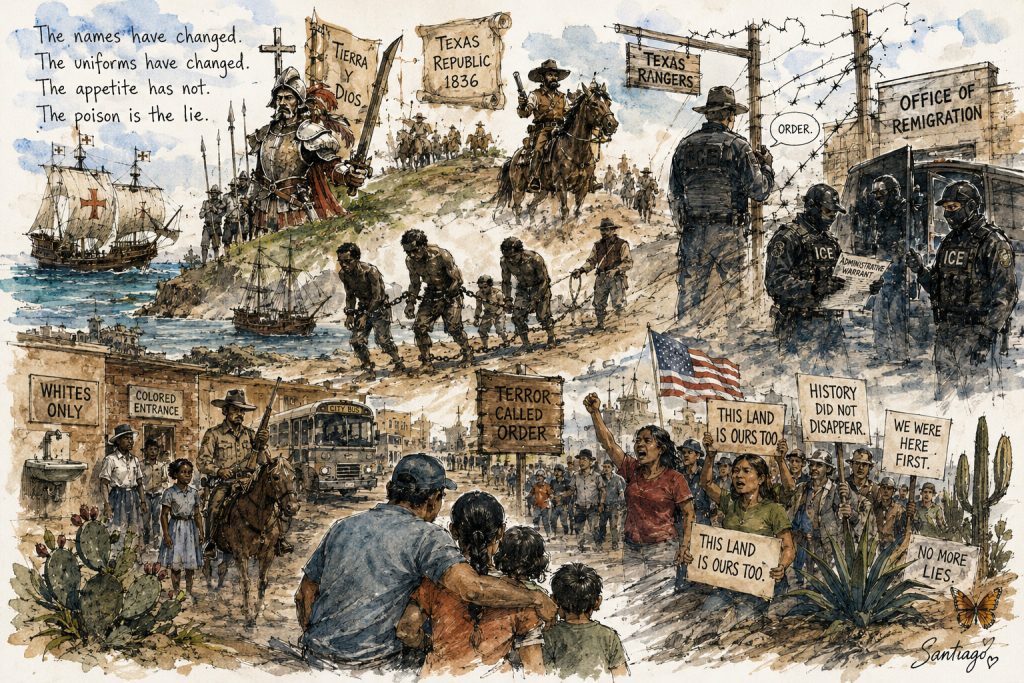
But they cannot erase a history that was there.