Chala Vato, we ain’t going nowhere.
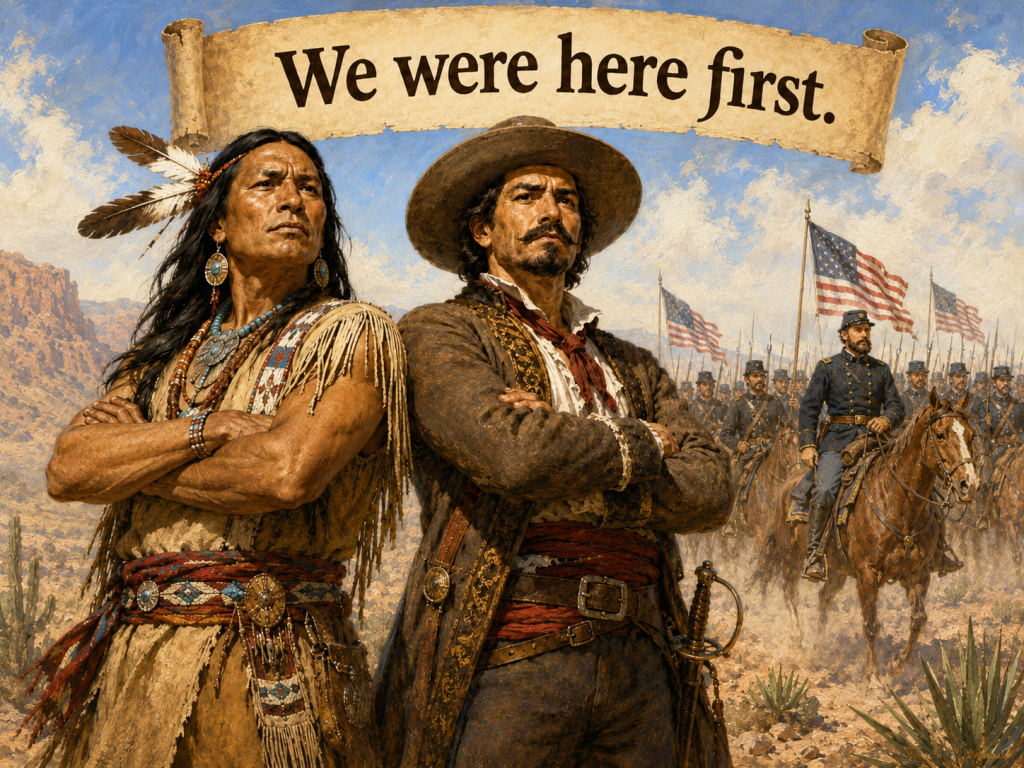
There is a story Americans like to tell about California.
First there was empty land.
Then Americans came west.
They found gold, built cities, planted farms, made movies, and created California.
There is just one problem.
People were already there.
Not tourists. Not recent immigrants.
Families.
They had children there. Buried their dead there. Raised cattle there. Owned land there. Governed there.
They called themselves Californios.
Long before California became part of the United States, it had been part of Spain and then Mexico. Los Angeles, San Diego, San Francisco, San José and other communities grew from that earlier Spanish and Mexican world.
One of the people born into it was Pío Pico.
Pico was born at Mission San Gabriel in 1801—almost half a century before California became an American state. His family had deep roots in Alta California, and his ancestry reflected the complicated racial history that existed long before today’s neat little boxes: Spanish, Indigenous, and African ancestry were all part of early California society. Pico eventually became the last governor of Mexican California. (National Park Service)
Think about that for a moment.
Pío Pico did not immigrate to California.
The United States immigrated to Pío Pico.
The flag over his home changed.
The government changed.
The courts changed.
The language of power changed.
Pico stayed where he was.
That is a history Mexican Americans understand very well.
Then came the new owners
The Mexican-American War ended in 1848 with the Treaty of Guadalupe Hidalgo.
The treaty specifically addressed Mexicans living in the territory transferred to the United States. They could remain where they lived, and their property was supposed to be respected. The treaty even said Mexican property would be “inviolably respected.” (National Park Service)
Sounds pretty good.
Then came the lawyers.
California landowners holding Spanish and Mexican grants were forced into a new American legal system to prove that land they had already been living on and using was actually theirs.
The process could take years.
And lawyers apparently had discovered billable hours before anybody invented the phrase.
One man’s story tells you almost everything you need to know.
Miguel Blanco—later known as Michael White—held the Mexican land grant to Rancho San Ysidro. Pío Pico confirmed that grant in 1845.
Then America took California.
White eventually had to prove his claim under the new system.
The United States finally confirmed his land grant in 1872.
There was just one small problem.
By then, according to the National Park Service, he had sold most of the land to pay the legal debts he accumulated while proving that the land belonged to him. (National Park Service)
Read that again.
He had to sell his land to prove he owned his land.
That is one hell of a system.
The family didn’t cross the border
There is a wonderful movie called Mi Familia.
It follows a Mexican-American family across generations in Los Angeles. Children grow up. Parents grow old. Politics changes. Neighborhoods change. The country changes around them.
But the family remains.
Director Gregory Nava called Latino culture the heart of Los Angeles. His movie works because history doesn’t arrive as dates in a textbook. History walks through the front door and sits down at the dinner table. (Los Angeles Times)
That may be the best way to understand the Californios.
Imagine a family sitting outside an adobe home in California in 1845.
Children playing.
Cattle in the distance.
Grandparents telling stories.
Nobody sitting there is an immigrant to the United States.
They couldn’t be.
They aren’t in the United States.
Then war comes.
A treaty is signed.
Somebody draws a new line on a map.
The family wakes up one morning and discovers that without packing a suitcase, crossing a river or walking a mile—
they are living in another country.
A few years later somebody from that new country may ask them:
Where did you people come from?
There is a certain comedy to that.
Not very funny comedy, but comedy nonetheless.
We have heard this story before
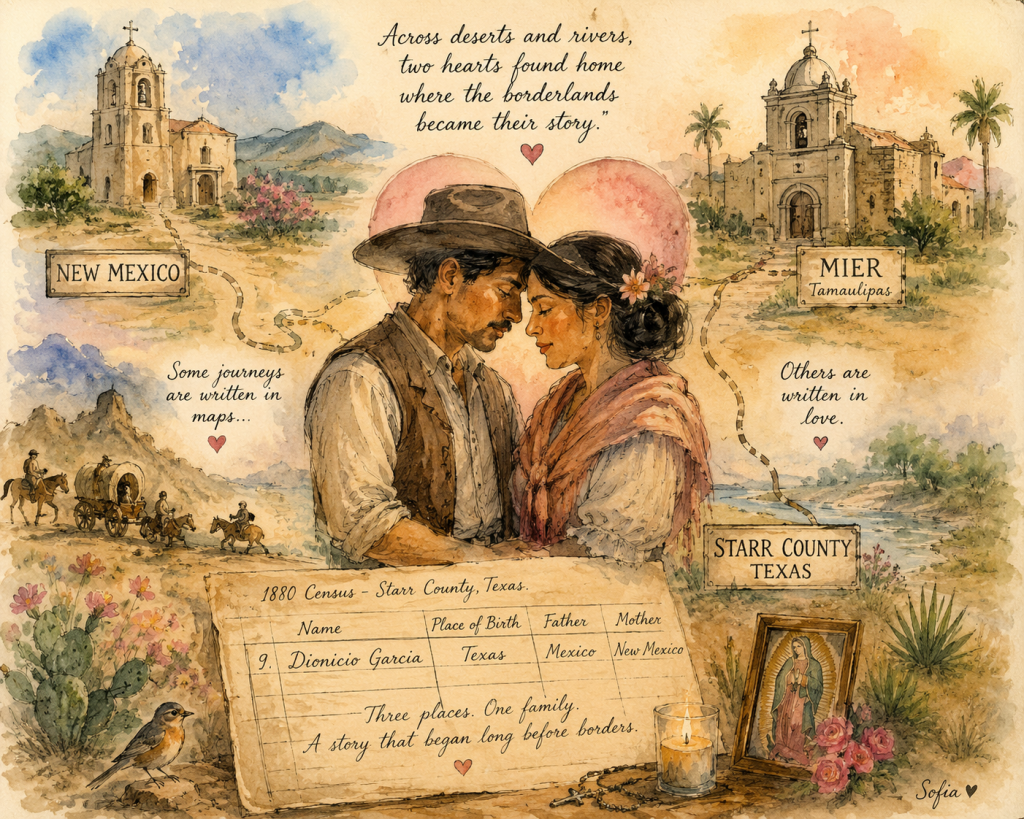
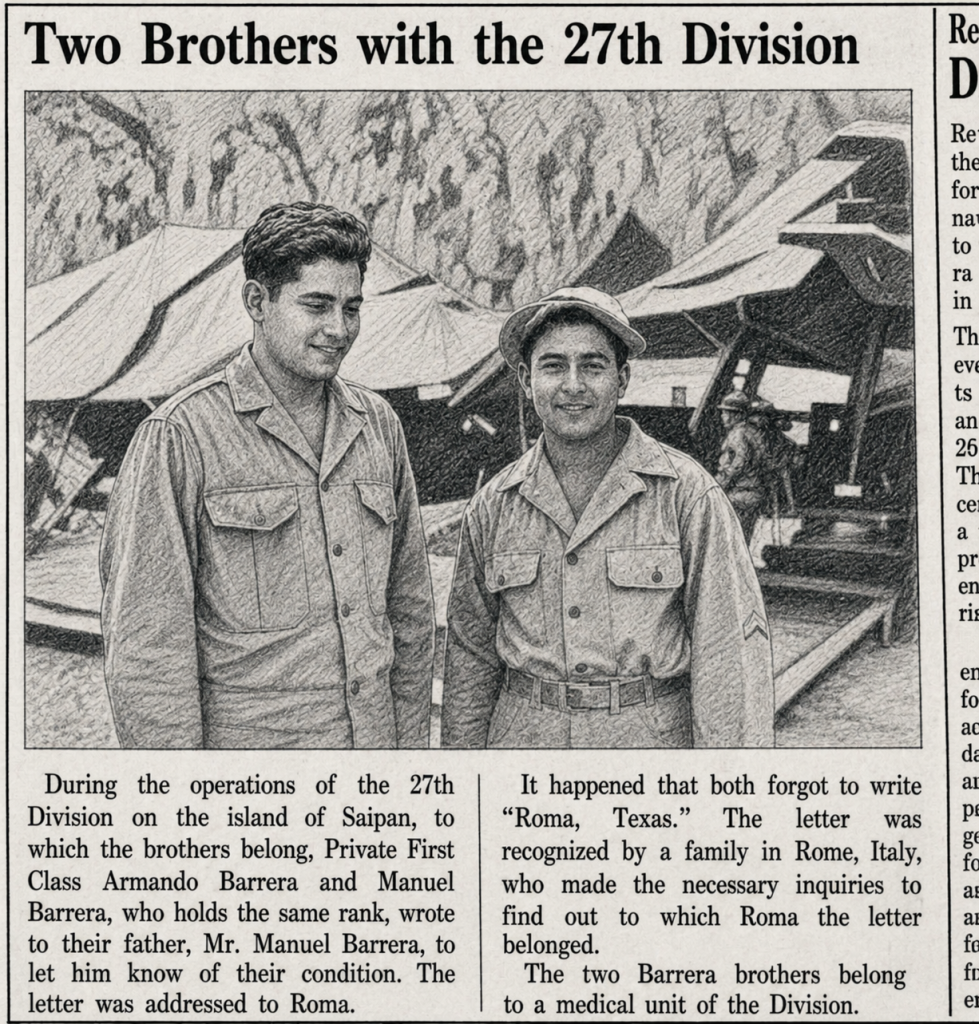
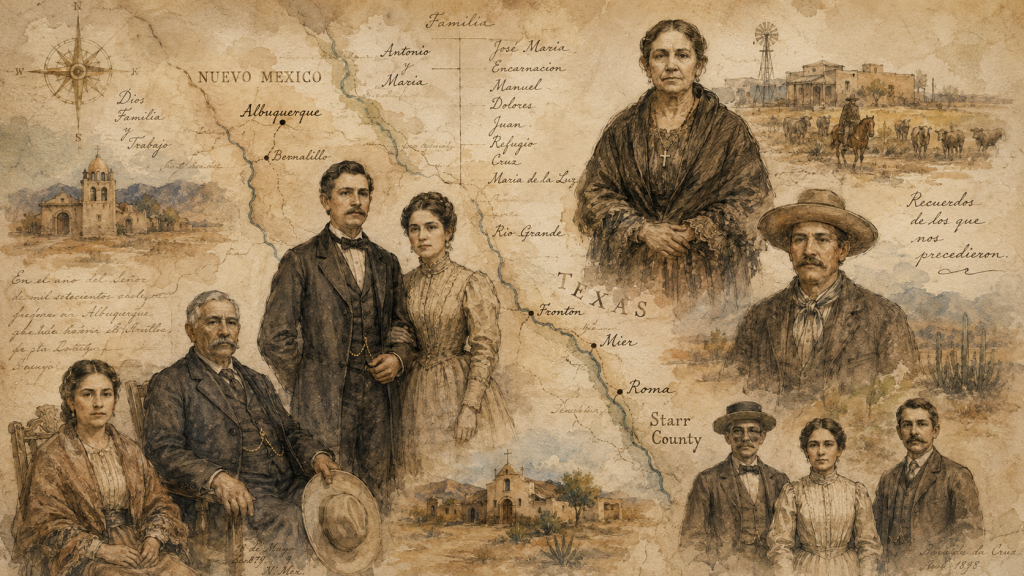
Tejanos know it.
Californios know it.
Families in New Mexico know it.
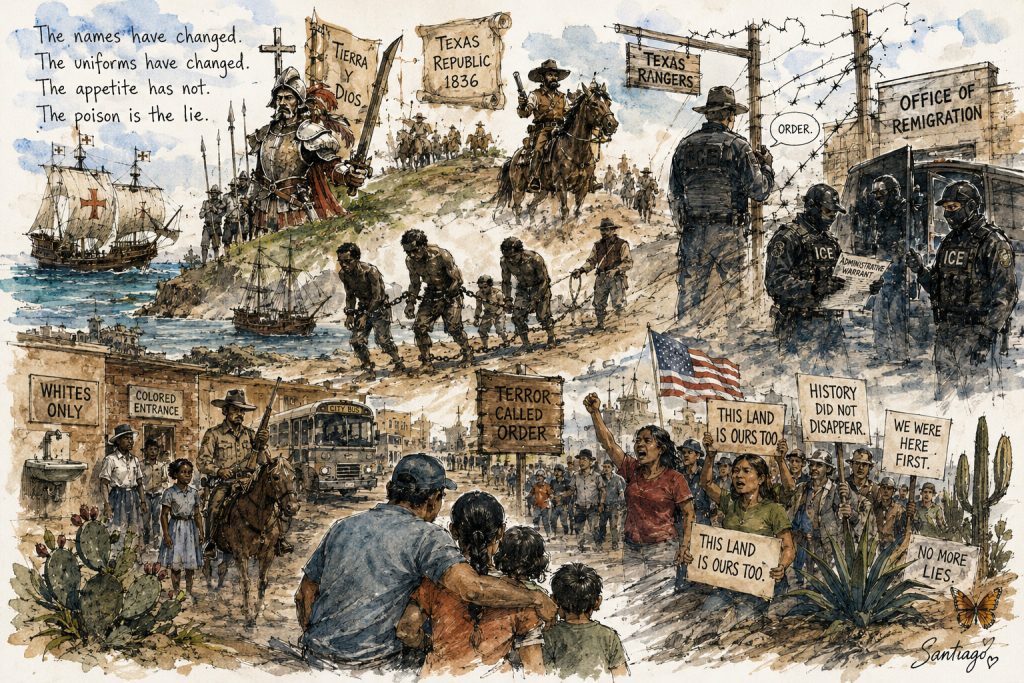
The names are different, but the story has a familiar sound.
Governments change.
Borders change.
Official histories change.
Eventually somebody begins telling the story as though history started when they arrived.
Then the people who were already there become supporting characters in their own land.
Or worse.
They become foreigners.
That is why history matters.
Not because everybody needs to memorize what governor signed which document in 1847.
History matters because somebody can eventually look at your grandchildren and say:
You don’t belong here.
And the answer may be sitting in a church baptismal book written 200 years before the person asking the question was born.
California did not begin with Hollywood.
It did not begin with the Gold Rush.
It did not begin when somebody raised an American flag.
There were Indigenous people there for thousands of years.
There were Spanish settlements.
There were Mexican settlements.
There were Californios.
There were families.
Some of their descendants are still there.
So when somebody tells them to go back where they came from, perhaps the proper response doesn’t require a history lecture.
Maybe it only requires six words:
We were here first.
We ain’t going nowhere.
Con Safos.-Meme el Tejano