We Found the Invaders: The Real Barbarians Who Crossed the Rio Grande
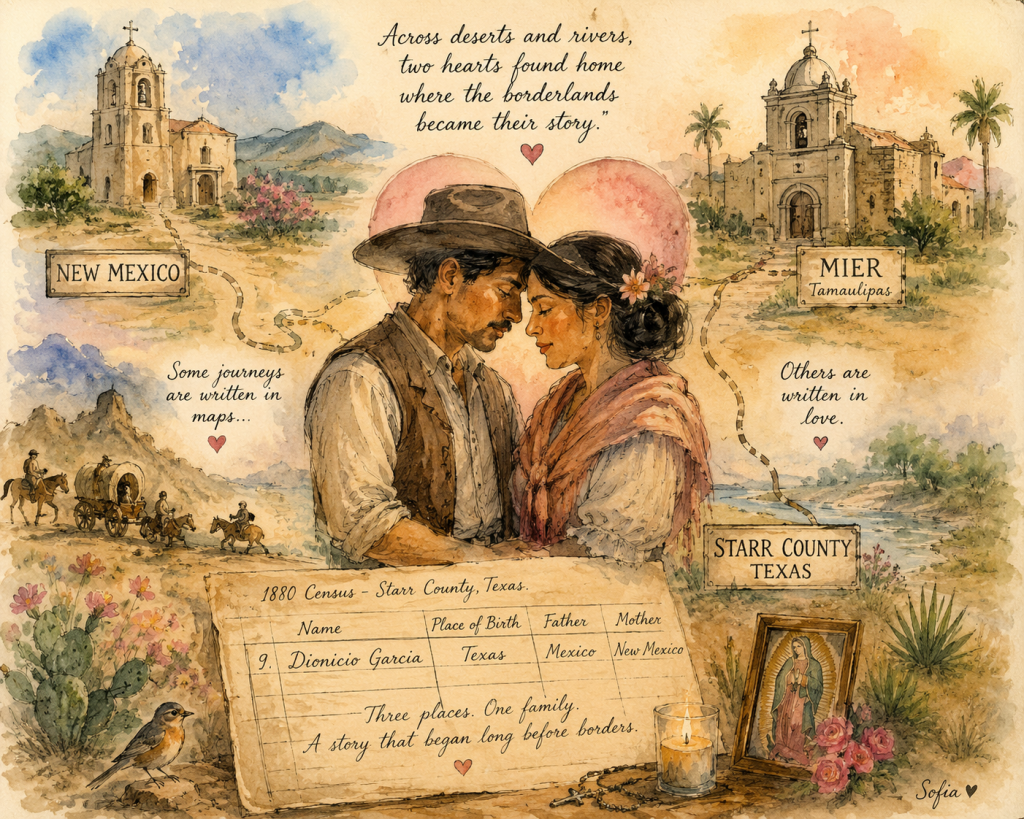
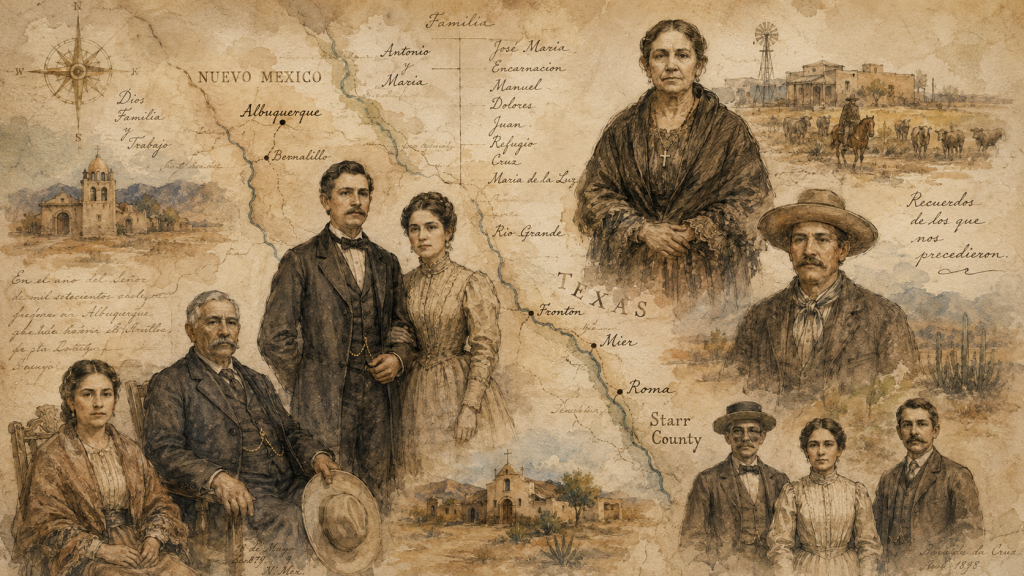
I started looking backward because I wanted to know where my family came from. The farther I went, the more often I ended up in Mier, where many of my ancestors were among the original settlers. Their world did not stop at the Rio Grande the way a modern map does. Families, ranches, cattle trails, marriages, and communities stretched across a country that would later be divided by an international boundary.
Those families endured. They survived wars, raids, political upheaval, and generations of hostility from a White Protestant society that frequently regarded Mexicans and Catholics as inferior people. Their descendants survived too. Now one of those descendants is going back through the old newspapers and histories and asking a question American history did not encourage us to ask:
Who were the real barbarians?
Mier provides an uncomfortable answer.
Americans and Texians did not attack or enter Mier once. They came back again and again.
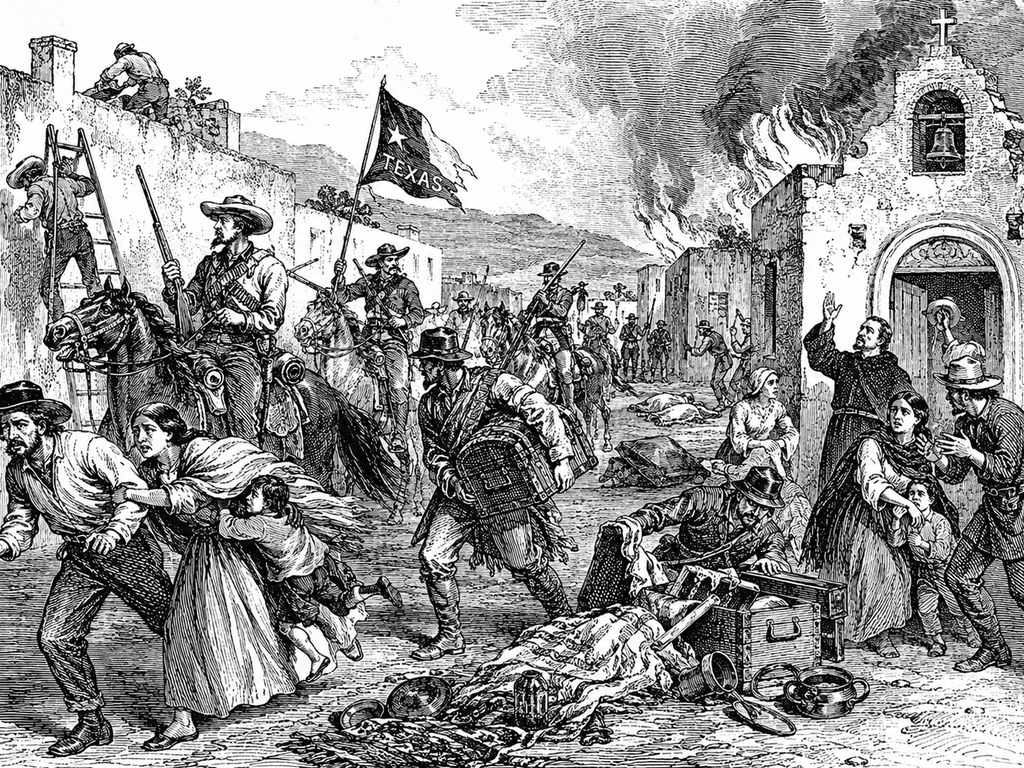
In 1839, José María Jesús Carvajal commanded a force that included American volunteers in fighting near Mier. Three years later came the famous Mier Expedition, when hundreds of armed Texians crossed into Mexico, entered the town, demanded supplies, took the alcalde as security, and eventually fought Mexican troops in the streets.
Americans remember what happened afterward. The captured Texans were marched into Mexico, escaped, were recaptured, and eventually drew beans from a jar to determine which men would be executed. The Black Bean Episode became part of Texas legend.
But notice where our traditional story begins.
It begins with the suffering of the captured Texans.
It does not begin with hundreds of armed Texans crossing into somebody else’s country.
In 1846, Americans came to Mier again. This time they wore United States Army uniforms. Captain J. R. Vinton, a company of the Third Artillery, and eight Texas Rangers marched into Mier and occupied the plaza.
Three years later, in 1849, Mexican investigators reported another group of Americans attacking Mexican customs guards at Guardado Ranch in the jurisdiction of Mier. They recovered contraband that Mexican authorities had seized and carried it back across the river into Texas.
In 1850, about forty Americans reportedly organized at Roma and prepared to cross again to recover another confiscated cargo. Mexican forces stopped them.
Then came 1851.
Texans crossed into Mexico and abducted a Black man who had escaped slavery and was living there with his Mexican wife. Mexico had abolished slavery. The armed men from Texas intended to take him back across the river and return him to bondage.
Later that same year, Mier’s military commander stopped another armed group of Americans from entering Mexico. The Americans responded with gunfire across the Rio Grande.
And still they came.
Carvajal’s so-called Merchants’ War drew heavily on armed Americans from Texas. Contemporary reports said one of his companies was almost entirely American, and Mier was again caught in the fighting.
That is not a single unfortunate expedition.
That is a pattern extending over more than a decade.
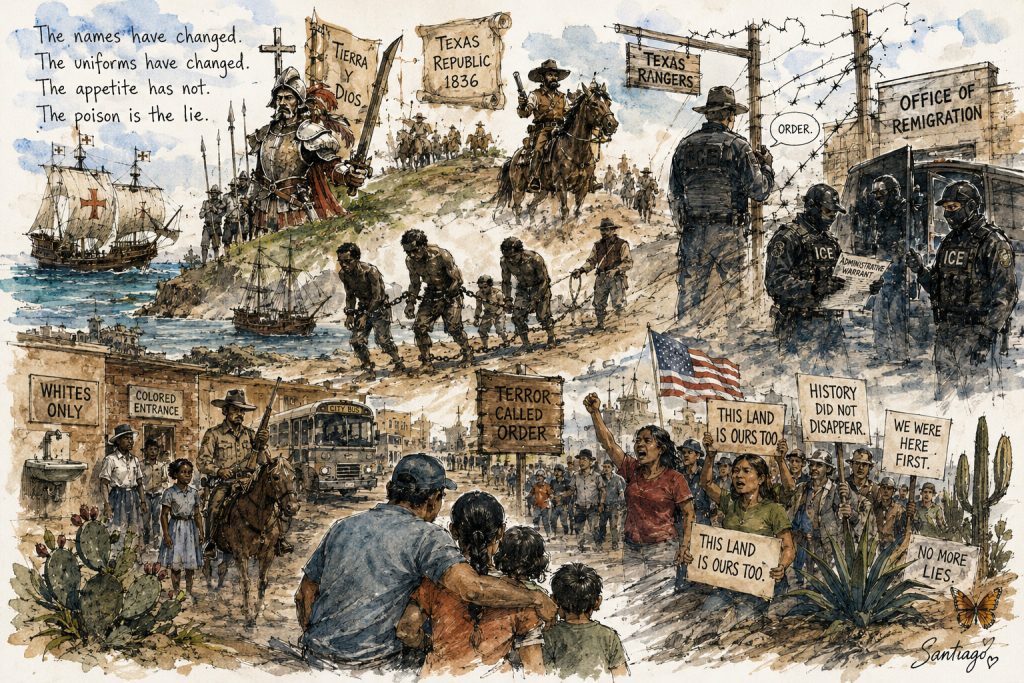
Soldiers, volunteers, smugglers, private armies and slave catchers repeatedly crossed south from Texas into Mexico. They occupied towns, attacked Mexican authorities, recovered contraband by force, and carried weapons into another country.
Yet somehow American history rarely taught us about the American invasions of Mier.
We learned about expeditions.
We learned about Rangers.
We learned about adventurers.
We learned about heroes.
Apparently, an invasion depends on which direction you cross the river.
The story becomes much uglier when we follow Americans farther into Mexico during the Mexican-American War.
The American Army did not simply fight the Mexican Army. American soldiers and volunteers committed atrocities against Mexican civilians. They robbed homes, looted property, burned buildings, murdered civilians, desecrated Catholic churches, and raped Mexican women. Modern American histories now acknowledge that American soldiers slaughtered Mexicans—men, women, and children—and future Civil War general George Gordon Meade complained that some volunteers killed Mexicans simply for amusement. (Norton Anthology of World Literature)
General Winfield Scott knew exactly what was happening. In a letter written during the war, the commanding American general described atrocities that he said had occurred repeatedly along the Rio Grande:
“Murder, robbery, & rape on mothers & daughters, in the presence of the tied up males…”
Scott said reports came not merely from Mexicans but from respectable American volunteers and people working on American steamers. He described some of the perpetrators as freebooters and said decent American soldiers themselves were horrified by their behavior. (TCU Repository)
Think about what that sentence means without hiding behind nineteenth-century military language.
American soldiers entered Mexican homes.
Women and girls were raped.
The men of their families were tied up and forced to be there while it happened.
These are the people who would later be remembered in American mythology as the conquering heroes of Mexico.
The Mexican women were not abstractions called “collateral damage.” They were mothers, daughters, and wives. The murdered civilians had families. The children killed by American troops belonged to somebody.
American newspapers and military leaders knew enough about the conduct of the invading forces that, even before the war was over, Americans were publicly warning that undisciplined troops might behave like “unchained tigers” in Mexico. (The Portal to Texas History)
Yet Mexicans were the people Americans called barbarians.
Mexicans were the greasers.
Mexicans were the bandits.
Later newspapers would describe Mexicans along the border as “banditti by instinct,” “ignorant and lazy,” and even “the filth and scum of a demoralized nation.”
The men invading their country somehow escaped those descriptions.
Some soldiers inside the American Army noticed the contradiction.
Many of them were Irish Catholics.
The men who became known as the San Patricios had grown up with their own history of conquest. Ireland was a Catholic country dominated by a powerful Protestant British state. Many Irish immigrants then entered the American Army, where they encountered anti-Catholic prejudice and brutal discipline.
Then they marched into Catholic Mexico.
The National Park Service puts the connection plainly: for Irishmen who had grown up under imperial domination, the American invasion of Mexico reminded them of British domination of Ireland. Some escaped slaves and free Black men also joined the Mexican side because Mexico had abolished slavery and appeared freer to them than the United States. (National Park Service)
Mexico understood exactly what it was seeing. Mexican recruiters asked Irish Catholics why they should fight for what they called “Protestant tyrants” against another Catholic people. (Texas State Historical Association)
Some Irish soldiers answered the question with their feet.
They crossed over and fought for Mexico.
The United States called them deserters.
Mexico remembers them as heroes.
After the Americans captured many of the San Patricios, the United States Army conducted mass trials. They were denied lawyers, no transcript of the proceedings was made, and fifty men were eventually executed. Thirty were hanged together as American troops captured Chapultepec; their bodies were left hanging as a warning to Mexicans who might continue resisting the occupation. (National Park Service)
That too was American civilization.
Now move forward thirty years and watch how differently the newspapers describe events when Mexicans come north.
In August 1877, perhaps ten or fifteen armed men crossed from Mexico into Starr County, attacked the jail at Rio Grande City, freed prisoners and escaped back across the river. The Austin Statesman did not call it an expedition.
The newspaper screamed:
“WAR! WAR! WAR!”
“Texas Invaded.”
There it is.
Ten or fifteen Mexicans cross north, and Texas has been invaded.
Hundreds of Texans cross south, and history gives us the Mier Expedition.
American troops occupy Mexican towns, and we call it a campaign.
Armed Americans cross to seize contraband, and they are adventurers.
Texans enter Mexico to seize a Black man and return him to slavery, and somehow the larger story remains one of courageous frontier Americans confronting Mexican lawlessness.
Then American troops invade Mexico, rape women, murder civilians, kill children, rob families, and desecrate churches—and the people defending Mexico are called barbarians.
History did not have to invent every fact to create that story.
It simply had to decide where to begin.
Begin with the Black Bean Episode and the Texans are victims.
Begin when they crossed the Rio Grande carrying weapons, and the story changes.
Begin with Mexican raids into Texas and the Rangers become defenders.
Begin with Americans repeatedly riding south into Mier, and a different group of invaders appears.
Begin with the San Patricios hanging from American gallows and “deserter” becomes a much more complicated word.
For most of my life, American history held the camera on the north bank of the Rio Grande.
I decided to move it.
From the other side of the river, my ancestors would have seen armed Americans coming toward them. They would have heard the gunfire. They would have known families whose property disappeared, whose towns were occupied, and whose lives were disrupted whenever another group of armed men decided Mexico was theirs to enter.
They endured it.
Despite the hatred, the racial contempt, the religious bigotry, and the violence, they survived.
Their children survived.
Their grandchildren survived.
Generation after generation survived.
And now one of their descendants is sitting on the other side of history’s camera, reading the newspapers that called his people barbarians.
I have been looking for those barbarians.
I found men invading another country, stealing property, dragging a Black man back toward slavery, killing civilians, killing children, raping women, and forcing husbands and fathers to witness what was being done to their families.
They were not the Mexicans.
We found the invaders.
We found the barbarians.
American history just called them heroes.