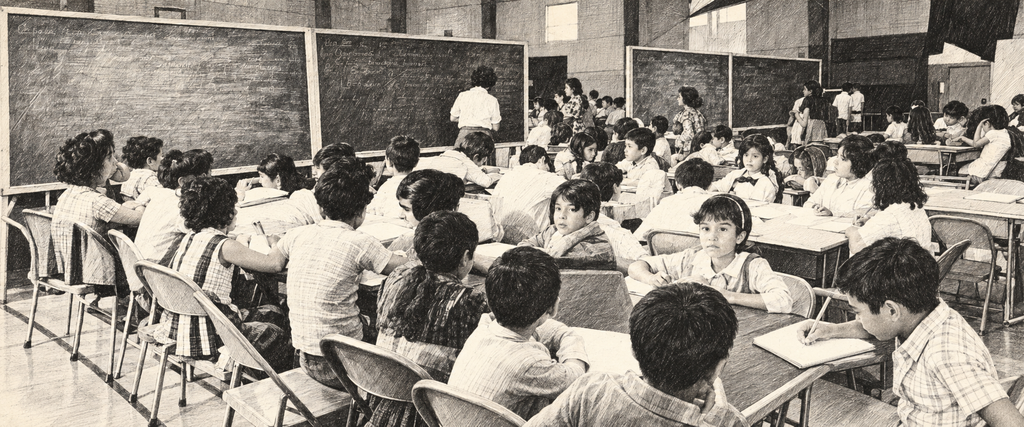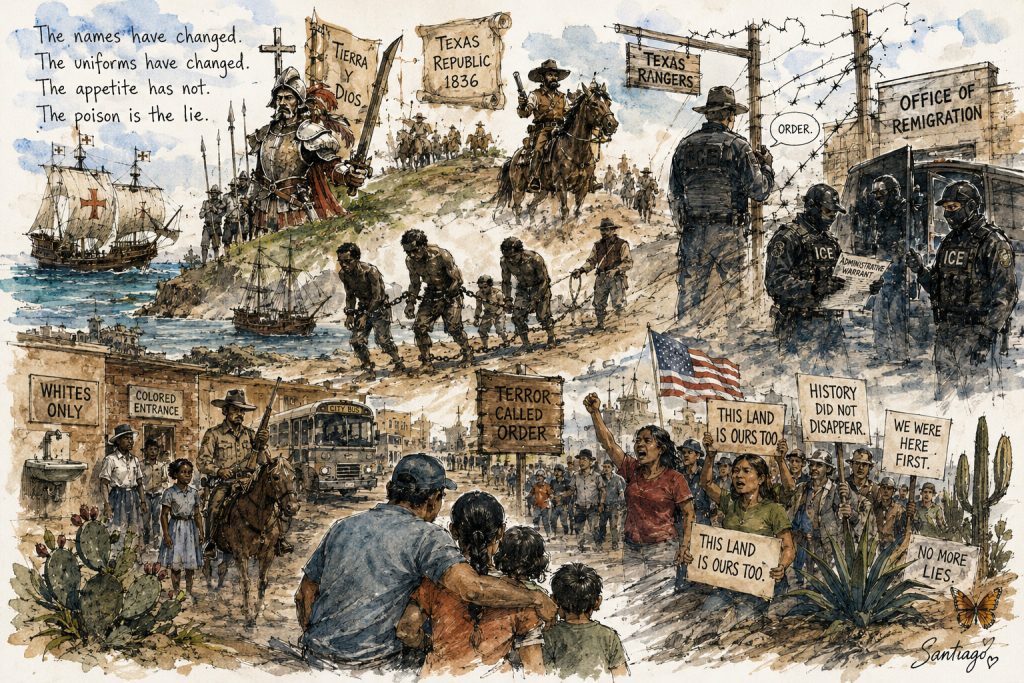
I was a student at the University of Houston at the time, and I was one of the U of H students who taught at the schools. This was an instance when HISD said we were white, but Mexican is not a race; there are and were Black Mexicans. The law was funny: any Mexican here after the Treaty of Guadalupe Hidalgo was a citizen. Any Mexican who immigrated had to be white for a while to be naturalized. Remember, Nazi Germany used our system of segregation to do what they did. Mexican-Americans were considered white when convenient to Whites.
A boycott before the doors opened
On August 31, 1970, the Houston Post reported that Mexican-American parents were preparing to keep their children out of Houston public schools when the new school year began. At a meeting attended by more than 1,000 people, Mexican-American Education Council chairman Leonel Castillo challenged a plan that paired predominantly Mexican-American and predominantly Black schools. According to the Post, he asked how many of the paired schools were Anglo schools. The crowd answered: “Zero.” (Houston Post, August 31, 1970)
That exchange told readers why the council objected to a plan described as desegregation. Mexican-American students were counted as white, but the schools being paired were largely Black and Mexican American. The newspaper reported the organizers’ argument; it did not settle whether the plan would deliver meaningful integration.
Classrooms appeared across the city
By September 3, the Houston Chronicle reported about 2,000 children enrolled in “huelga,” or strike, schools. It named three registration sites in Denver Harbor—on Force, Gazin, and Alderson streets—and described volunteers preparing lessons and gathering books. Sister Gloria Graciela Gallardo was helping organize the schools with support from Catholic educators and community members. (Houston Chronicle, September 3, 1970)
The Post showed what one of those schools looked like on its first day. A September 5 report described children bringing lined tablets while volunteers worked without textbooks. At another site, a mother teaching third grade told the reporter that 250 children had arrived for classes. The article also described lunches being served to children who had brought none. These were accounts of people trying to run schools while building them. (Houston Post, September 5, 1970)
On September 9, the Chronicle reported that a night high school at Holy Name had enrolled more than 400 students at its first session. The paper described volunteer teachers and University of Houston students offering instruction. In the same coverage, school board president Leonard Robbins warned that children under 17 had to attend an accredited school or risk truancy proceedings. Readers encountered the volunteer classrooms and the district’s threat of fines in the same story. (Houston Chronicle, September 9, 1970; page 16 continuation)
Support for the demand, disagreement over the boycott
The coverage did not present everyone as holding the same position. On September 10, the Post printed a statement from school board member Rev. Leon Everett II. He supported the effort to have Mexican Americans recognized as an ethnic group, but worried that keeping children out of public school would harm their education. He urged adults to carry the protest while children attended classes. His statement shows that agreement with the council’s complaint did not necessarily mean agreement with its tactic. (Houston Post, September 10, 1970)
Newspaper accounts also changed as negotiations progressed. On September 13, the Post reported that organizers had suspended a planned Friday boycott after talks with school officials improved, while the huelga schools remained open. Three days later, the Chronicle reported Castillo’s hope that the broader boycott would soon end. He also said that some families in the Denver Harbor area had not agreed to end their strike. (Houston Post, September 13, 1970; Houston Chronicle, September 16, 1970)
What the clippings leave us
Read in order, the articles show more than a single boycott that began and ended. They show parents organizing places for children to learn, reporters counting attendance as the schools grew, officials invoking attendance law, and negotiators announcing progress while some families remained dissatisfied. The reported counts vary because the papers were writing on different days and sometimes counting different things: children absent from HISD, children enrolled in huelga schools, or sites offering classes.
The newspapers preserved the names of organizers and the words of school officials. They also left questions open. The September 16 report tells us that Denver Harbor families were still resisting as a settlement approached; it does not ask each family what losing their previous school meant to them. That is where the press record ends—and where the memories of students and parents become necessary to understand what the reassignment changed.