Shattered Ribbons: Forced Partition Along the Starr County Riverlands
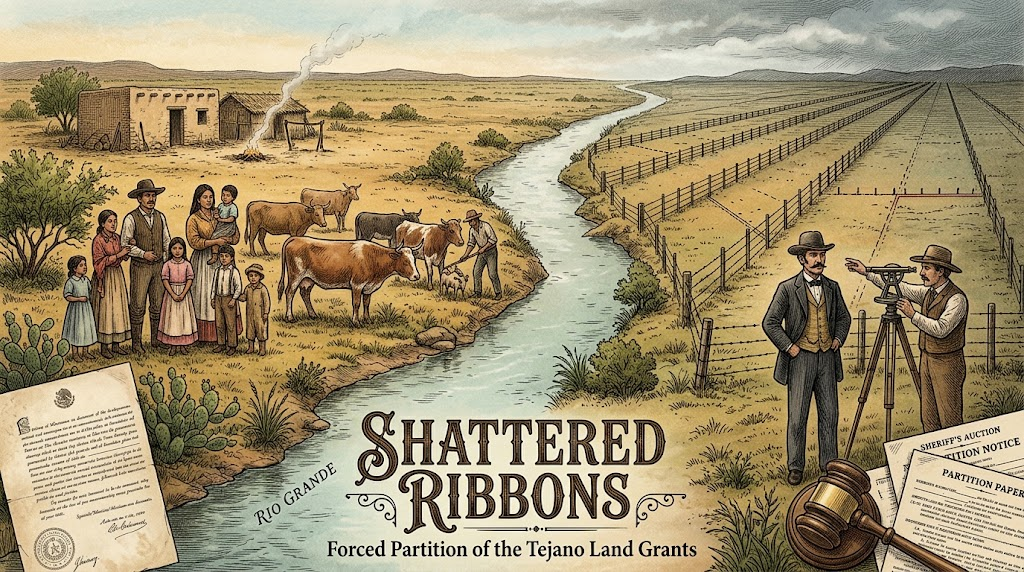
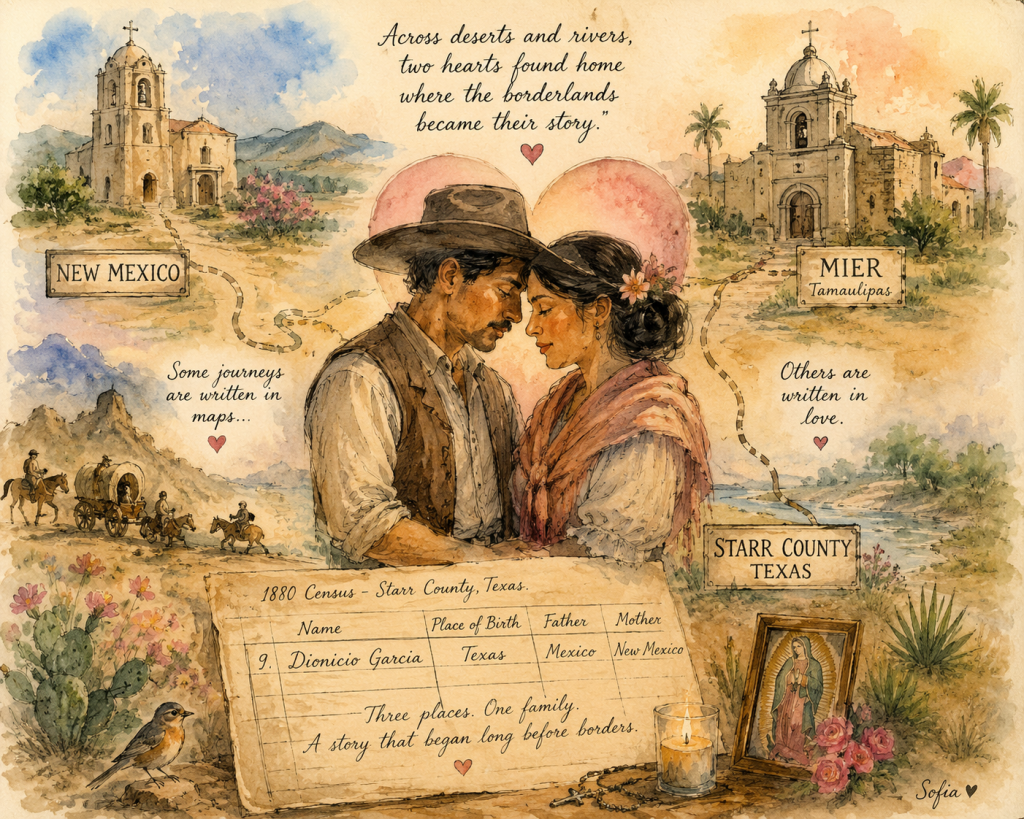
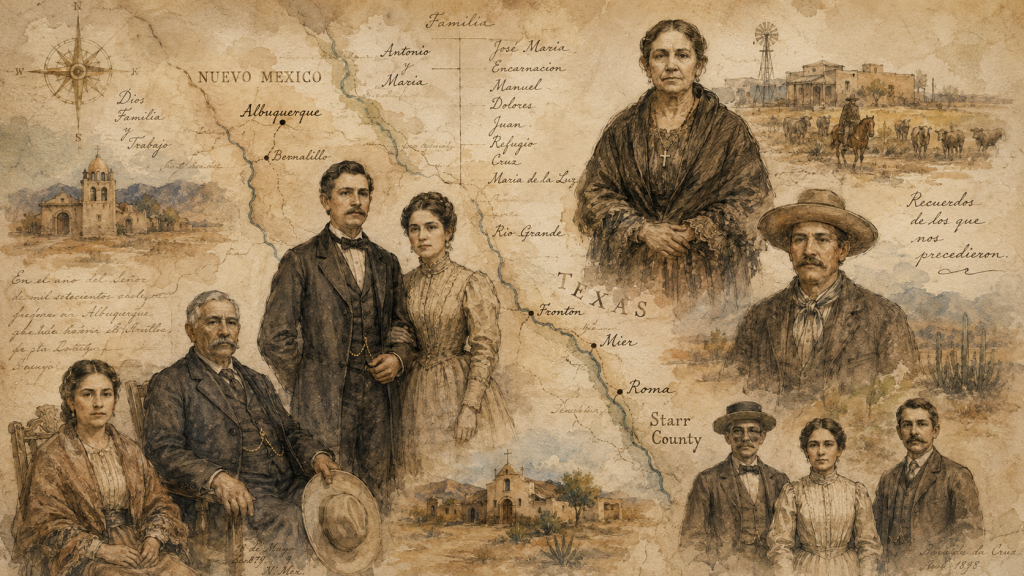
In the arid brush country of Starr County, survival has always depended on access to the Rio Grande, where 18th-century Spanish authorities carved out narrow, deep parcels known as porciones.
Because each porción measured only about nine-thirteenths of a mile in river frontage while stretching eleven to sixteen miles inland, water access was tightly rationed from the very beginning.
Under Spanish civil law, every son and daughter inherited an equal share of these long tracts, leading to multiple generations dividing the riverbank into increasingly narrow strips called tiras.
Women maintained strict individual title to their inherited land under the doctrine of bienes propios, meaning a married woman’s acreage could not be seized for her husband’s debts or sold without her independent signature.
By the late nineteenth century, a single grant like Porción 69 near Roma and Frontón was shared among dozens of descendants, many holding tiny undivided fractional percentages rather than surveyed fence lines.
This collective arrangement allowed Tejano families to run their cattle across the entire expanse without building expensive fences or paying for private surveys.
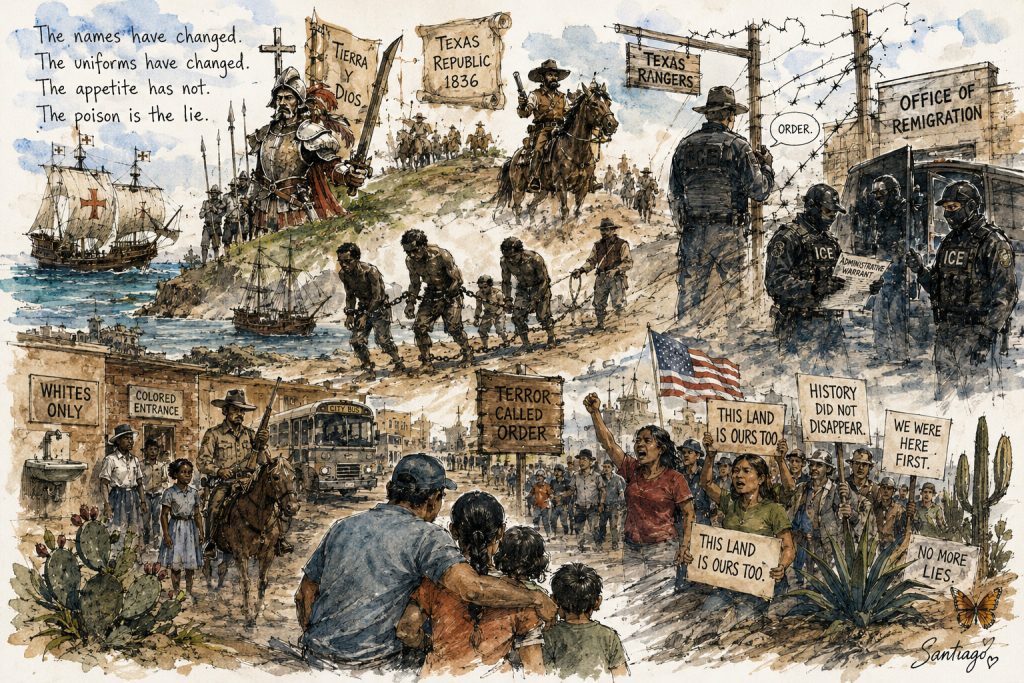
Following the Mexican-American War and the establishment of Texas jurisdiction, outside attorneys, political bosses, and land syndicates realized that Texas property statutes could weaponize this communal tradition.
Speculators quietly located distant or financially pressed heirs and bought their fractional stakes—sometimes as little as an undivided one-sixty-fourth interest—for mere pennies on the dollar.
Holding that single sliver, the outsider gained the legal status of a “tenant in common” under Texas law, granting them the absolute right to petition the District Court for a complete partition of the entire tract.
When the Starr County District Court took up these cases, judges appointed commissioners to determine whether the vast acreage could be physically surveyed into separate, economically viable tracts for every living heir.
Commissioners routinely declared that slicing a porción into dozens of ribbon-thin parcels destroyed the land’s ranching utility, rendering the tract “incapable of partition in kind.”
Under Texas civil statutes, that finding left the judge with only one legal remedy: ordering the entire ancestral grant sold for cash at a sheriff’s auction on the courthouse steps in Rio Grande City.
Few Tejano ranching families had the liquid capital required to outbid well-funded corporate speculators and local legal rings when thousands of acres were auctioned off in a single afternoon.
The proceeds from the auction, minus hefty court costs and surveyor fees, were distributed as small cash sums to the dispossessed families while the buyer walked away with clear fee-simple title to the whole grant.
In this way, the very legal safeguards that once guaranteed gender equality and protected every child’s inheritance became the legal blueprint for dismantling centuries of Tejano land tenure along the river.