
100 years ago, they were separating families and deporting citizens; not much has changed.
One thing I still do is read. I read a lot, mostly on the internet now, but I still read books; over the past few years, nearly 200 books. Recently,

One thing I still do is read. I read a lot, mostly on the internet now, but I still read books; over the past few years, nearly 200 books. Recently,

There was a time when the United States slammed the door on Italians, Poles, Greeks, Russians, Jews from Eastern Europe, and millions of other southern and eastern Europeans — while
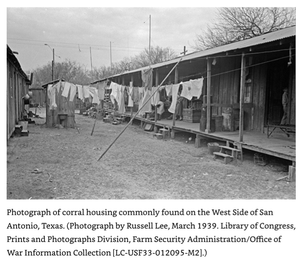
Some of you may have read about the San Antonio flood and how it helped create the River Walk. What you probably did not read was that most of the
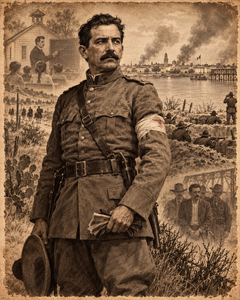
In March 1915, Procopio Elizondo stood on the Mexican side of the Rio Grande defending Matamoros against the army of Pancho Villa. Thirteen years earlier, he had been a schoolteacher
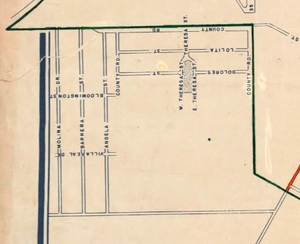
My parents moved into the neighborhood in 1951. Based on the census map, the neighborhood had just started being built. My uncle Aniceto lived on Molina St.; he was already
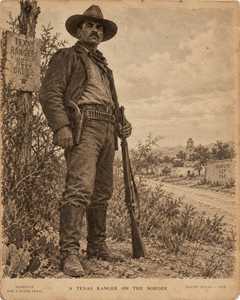
Backing the White Texans were the “Pinche Rinches,” killing any “Mexican” who stood up for their women or their rights. The Texas Rangers the monsters of South Texas. By their

Do you remember reading about the white men’s primaries in Texas? I don’t remember, but while reading a book, I came across the term and decided to look into it
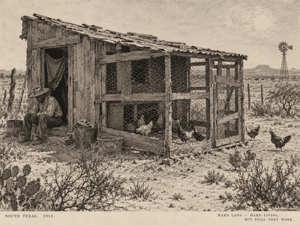
Many years have passed, but the migrant worker still finds himself at the mercy of the authorities. His story reminded me of what my mother told me: when they first
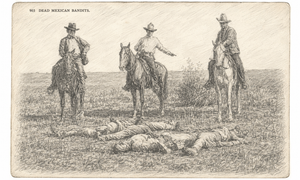
History has usually remembered what happened along the South Texas border in 1915 under names such as the Plan de San Diego, the Border War, the Bandit War, or the
Sí. Como el artículo completo está en este chat, puedo traducir esta versión exacta al español sin tener que reconstruirla desde la página web. Mantendría el tono fuerte y directo,
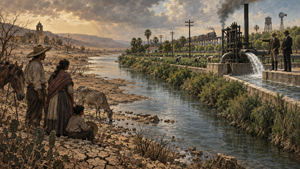
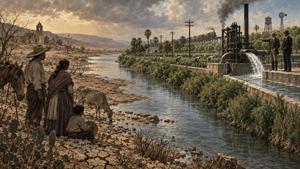
I was reading John Weber’s From South Texas to the Nation: The Exploitation of Mexican Labor in the Twentieth Century when I came across several paragraphs about irrigation in the
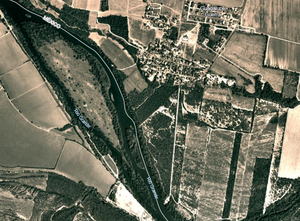
1940 Fronton Census Searchable transcription of the 1940 census records in the Fronton project. Search works across every displayed field. Click a column heading to sort. Show 102550100All entries Search:
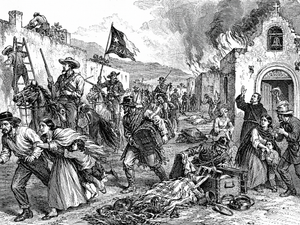
We Found the Invaders: The Real Barbarians Who Crossed the Rio Grande I started looking backward because I wanted to know where my family came from. The farther I went,

Twenty years earlier, young Mexican-American men from El Paso had marched off to war with Company E of the 141st Infantry. Many came from Segundo Barrio and the neighborhoods near

The Things They Refused to Leave Behind To my cousins, this is a little of what I have learned about your mother and father—not simply from records, but from the
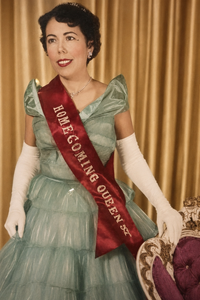
. . When we began looking closely at the 1940 census for Fronton, Texas, one thing stood out immediately: how little formal education most people had received. On page after
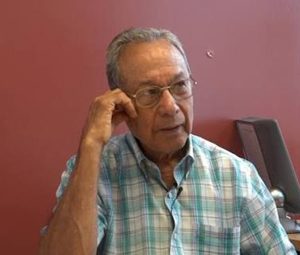
Growing Up Mexican in Houston: Felix Fraga Remembers the 1930s, ’40s and ’50s Felix Fraga was born in Houston in 1929. When he looked back on his childhood decades later,
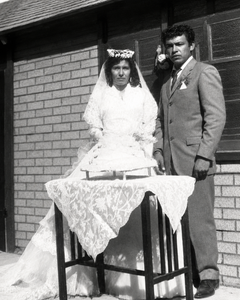
A few days ago, my aunt Paula García De La Cruz died. She was 86 years old. She was also the last living aunt or uncle I had. Paula was
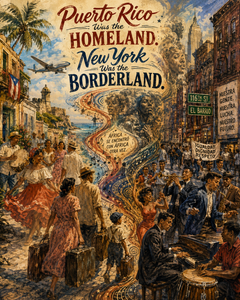
Something extraordinary happened in New York after World War II. Hundreds of thousands of Puerto Ricans left the island and came north. They brought Spanish, family, food, politics, and music.
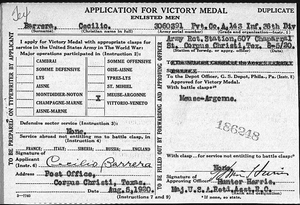
For years, I knew military service ran through my family, but I didn’t realize how far the line stretched. I knew of an ancestor who served in the Confederate Army